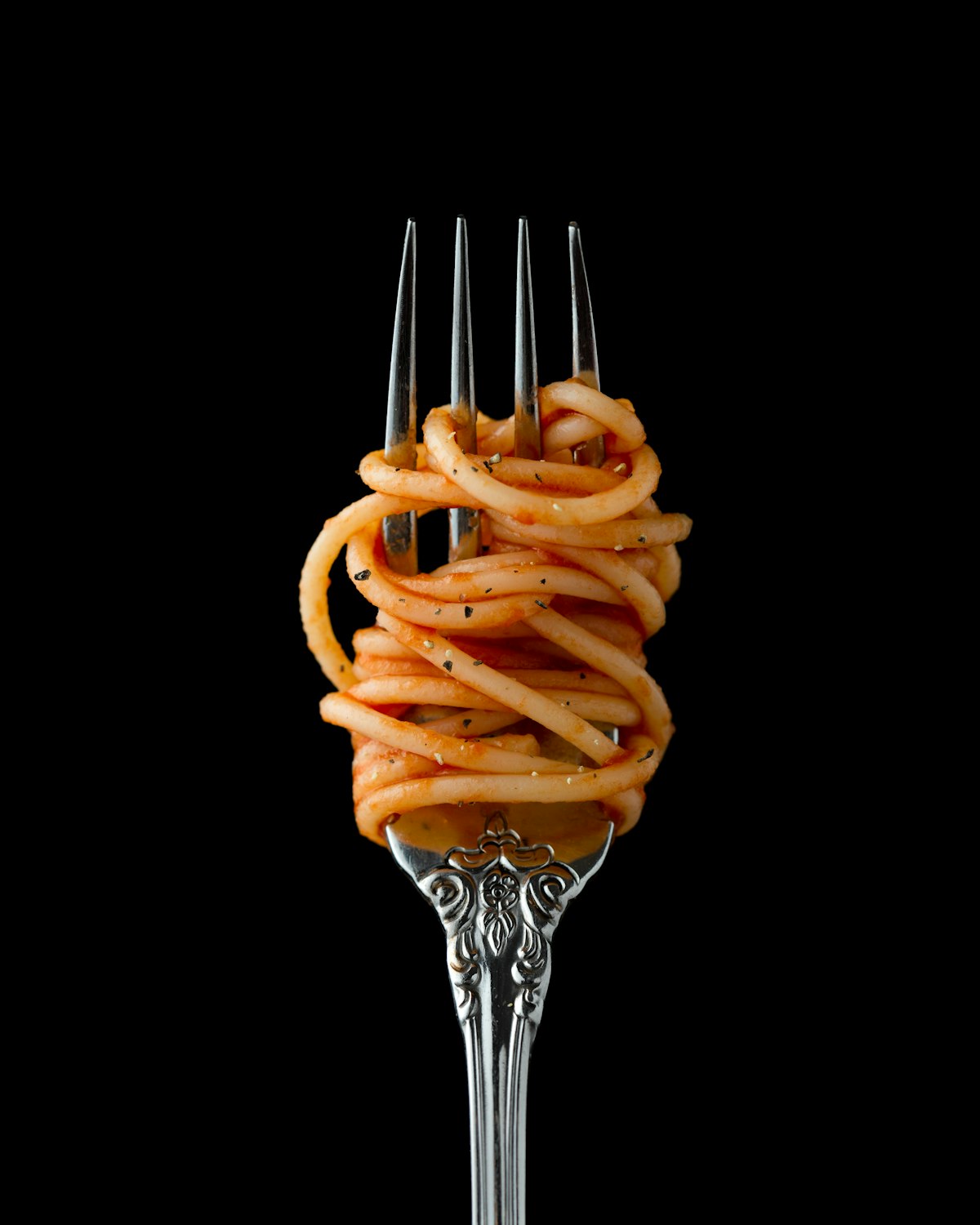
There is a particular kind of satisfaction that comes from making your own pasta. It is not merely the result — though fresh pasta, cooked properly, is on a different plane entirely from the dried version — it is the process itself. The tactile pleasure of working the dough, the transformation of flour and eggs into something silky and alive, the meditative repetition of rolling and shaping. Making pasta at home is a skill that rewards the investment in ways that dried pasta simply cannot match, and it is far more accessible than most people realize.
Choosing the Right Flour: 00 vs. All-Purpose
The flour question is where most beginners start, and the answer requires understanding a bit about flour chemistry. Italian "00" flour, also called doppio zero, is a finely milled, low-protein flour that produces a silky, smooth dough with a tender bite. It is the professional standard for fresh pasta in Italy and yields pasta with a refined, almost ethereal texture. However, it is relatively low in protein — around 7 to 8 percent — which means less gluten development and a more delicate result.
All-purpose flour, with about 10 to 12 percent protein, produces a slightly firmer, more resilient dough that is easier to work with for beginners. It is less expensive and more readily available. For your first attempts at homemade pasta, all-purpose is perfectly fine — and arguably more forgiving than 00 flour, which requires more precise handling. As you gain confidence, you can experiment with 00 flour or even mix the two. Semolina flour, made from durum wheat, is used for dusting and for certain rustic shapes but is too coarse for the dough itself for most pasta types.
The Critical Role of Eggs in Pasta Dough
Fresh pasta dough is typically made from flour and eggs, sometimes with a small addition of water or olive oil. The eggs serve multiple functions beyond simple nutrition: they provide fat for tenderness, lecithin as an emulsifier, and protein that strengthens the dough structure. The ratio matters. A classic egg pasta uses one large egg per 100 grams of flour (about 3/4 cup by volume), which produces a supple, workable dough that rolls thin without tearing.
Some recipes use only egg yolks for an even richer, more tender dough — this is the base for pasta alla,推 like tagliatelle in Emilia-Romagna. All-yolk pasta is almost custard-like in its richness but can be more difficult to work with and does not have the structural integrity of whole-egg pasta. Starting with whole eggs is the best approach for most home pasta makers. Always use room temperature eggs; cold eggs do not emulsify into the flour as smoothly and will result in a lumpy, uneven dough.
Kneading: Developing the Dough's Potential
Pasta dough is not like bread dough — it does not require extended kneading to develop gluten. In fact, overkneading pasta dough creates excessive gluten that makes it tight, bouncy, and prone to springing back when you try to roll it thin. The goal is gentle, even development of the gluten network, which gives the dough its elasticity and tensile strength without making it tough.
The standard kneading process: after mixing the dough into a shaggy mass, knead it on a clean, unfloured surface with the heel of your hand, pushing it away from you and folding it back, rotating a quarter turn between folds. Continue for about 8 to 10 minutes, until the dough is smooth, supple, and no longer sticky. It should bounce back when poked. If it sticks to your hands, add flour sparingly; if it feels dry and crumbly, wet your hands slightly and continue. The dough is ready when it feels like Play-Doh — smooth, cohesive, and slightly warm from the kneading.
Why Resting the Dough Is Not Optional
After kneading, wrap the dough tightly in plastic and let it rest at room temperature for at least 30 minutes. This is not a step to skip, no matter how eager you are to start rolling. Resting allows the gluten strands to relax after the mechanical agitation of kneading. A dough that fights you as you try to roll it is a dough that has not rested long enough. When properly rested, the dough becomes almost buttery in its plasticity — it rolls effortlessly, holds its shape, and does not spring back.
You can also rest pasta dough in the refrigerator overnight, which is useful for meal prep. Cold-resting actually improves the dough further, as the gluten continues to relax and the flour fully hydrates. Let it come back to room temperature for about 20 minutes before rolling if you refrigerate it, as cold dough is stiff and prone to cracking.
Rolling by Hand vs. Using a Pasta Machine
Rolling pasta by hand with a rolling pin is entirely feasible and has its own rewards — it engages your whole arm and gives you a tactile sense of the dough's thickness that a machine cannot replicate. The key is consistent pressure and rotation: roll outward from the center, rotating the dough quarter-turn after each pass, and flip it occasionally to prevent sticking. The goal is even thickness throughout, which is harder to achieve by hand than most people expect.
A pasta machine makes the process faster, more consistent, and less physically demanding. The standard approach: start with a small piece of dough (keep the rest wrapped while you work), flatten it slightly with your hands, and pass it through the widest setting. Fold the dough into thirds, like a letter, and repeat twice — this mimics the initial hand-kneading and creates an even surface. Then reduce the setting by one notch with each pass until you reach your desired thickness. For tagliatelle, a setting of 5 or 6 on a 10-setting machine is typical; for lasagna, go to 7 or 8; for delicate饺皮-style wrappers, go to the thinnest setting.
Shaping Pasta: Fettuccine, Pappardelle, and Beyond
The shape you choose is not arbitrary — different pasta shapes exist to serve different sauces, and understanding this relationship is what separates a good pasta cook from a great one. Long, flat noodles like fettuccine and linguine have a large surface area that coats beautifully with oil-based and light cream sauces. Their shape also creates pockets that trap sauce, making each bite more flavorful than a round noodle might deliver.
Fettuccine is cut about 1/4 inch wide; pappardelle, the wide, elegant ribbons of Tuscany, are cut at about 3/4 inch to an inch wide and pair magnificently with rich meat ragus. To cut fettuccine by hand: after rolling the dough to your target thickness, dust it lightly with semolina, fold it loosely into a cigar shape, and slice across at your desired width. Shake out the strands and toss them gently to separate. Hang them over a drying rack or a clean wooden spoon suspended over a bowl while you roll and cut the remaining dough. Fresh pasta cooks in 2 to 3 minutes, significantly faster than dried pasta.
Ravioli and Tortellini: The Filled Pasta Arts
Filled pastas represent a different skill set than cutting shapes — they require a light touch, patience, and an understanding of how much filling to use. For ravioli, roll the dough thin, place small mounds of filling (about a teaspoon each) in rows on one sheet of pasta, brush the edges and between the mounds with beaten egg white, lay another sheet of pasta over the top, and press firmly around each mound to seal. Cut with a pasta wheel or ravioli cutter, and seal the edges thoroughly — any gap will open during cooking and lose your filling to the boiling water.
Tortellini, the tiny, hat-shaped parcels of Emilia-Romagna, are made from small circles of pasta wrapped around a small filling and rolled into a ring shape around your pinky finger. The process is meditative and takes practice. Do not get discouraged if your first batch looks rustic — homemade tortellini that are imperfect in shape but well-sealed and properly cooked are far superior to any store-bought version.
Cooking Fresh Pasta: Timing Is Everything
Fresh pasta cooks in 2 to 3 minutes, sometimes as little as 90 seconds for very thin shapes like angel hair-style tagliolini. This is dramatically faster than dried pasta, and it is easy to overcook if you are not paying attention. Use a large pot of well-salted boiling water — the water should taste noticeably salty, like a mild sea — and do not add oil, which prevents the sauce from adhering.
The key is to watch it carefully and taste starting at 2 minutes. Fresh pasta should be al dente but with none of the chalky center that characterizes undercooked dried pasta. The texture should be tender throughout, with no resistance at the core, but it should still feel pleasantly firm, not mushy. Drain immediately and toss with your sauce in the pan over medium heat for 30 seconds to a minute — this is where the pasta and sauce marry into a cohesive dish. Never rinse fresh pasta; the starch on the surface is what helps the sauce cling.
Sauce Pairings: Matching Shape to Sauce
The Italian principle of matching pasta shape to sauce type is not a rule for the sake of rules — it is the accumulated wisdom of centuries of cooking, based on physics and practicality. Thick, chunky sauces with pieces of meat or vegetables need wide, robust shapes like rigatoni, pappardelle, or conchiglie whose large interior cavities can hold chunks. Delicate, thin sauces — a simple butter and sage, a light carbonara, a gentle tomato sauce — require equally delicate noodles that will not overwhelm them: tagliatelle, linguine, or thin spaghetti.
Rough textures hold sauce better than smooth ones, which is why bronze-die-cut dried pasta is generally preferable to Teflon-cut versions. Fresh pasta, with its slightly tacky surface when cooked, holds sauce even without the rough texture of extruded dried pasta. The general matching principle: heavy sauces with wide shapes, light sauces with thin shapes, chunky sauces with ridged or tube shapes, smooth sauces with smooth long noodles. Follow these principles, and every pasta dish you make will taste more intentional and complete.
Storing Fresh Pasta and the Dried vs. Fresh Comparison
Fresh pasta can be stored in the refrigerator for 1 to 2 days if dusted with semolina and loosely coiled or laid flat in a single layer in an airtight container. Do not stack fresh pasta pieces without dusting, or they will stick together irreversibly. For longer storage, freeze fresh pasta: lay individual portions on a baking sheet in the freezer until frozen solid, then transfer to a freezer bag. Frozen fresh pasta can be cooked directly from frozen — just add an extra minute or two to the cooking time.
The comparison between fresh and dried pasta is not a simple one. Fresh pasta has a tender, almost silky quality that dried pasta cannot replicate, and it is best with butter-based, cream-based, or light tomato sauces. Dried pasta has a firmer bite and more pronounced wheat flavor, holds up better to heavy meat sauces, and is far more convenient. Both have their place. For a weeknight dinner with a simple sauce, dried pasta is perfectly adequate. For a special occasion or when you want to demonstrate genuine kitchen skill, fresh pasta is unmatched.