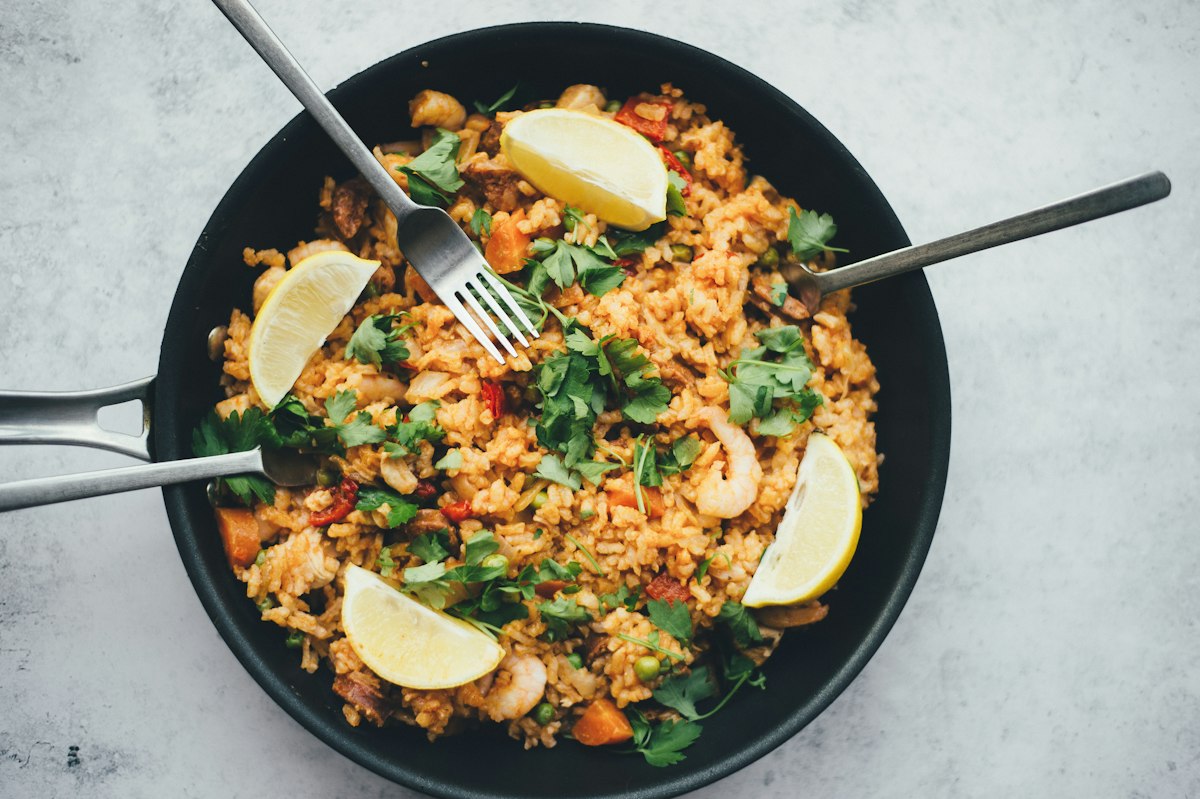
There is a particular satisfaction in a meal that delivers maximum flavor with minimum mess. One-pan cooking is the culinary equivalent of a clean desk — everything in its place, nothing superfluous, and the end result feels effortless even though the cooking process is intentional and deliberate. Whether you're navigating a busy weeknight or simply don't want to spend your evening scrubbing a sink full of pots, one-pan cooking is the answer.
The appeal goes beyond convenience. When protein, vegetables, and starch all share a single pan, they exchange flavors. The meat's rendered fat coats the vegetables. The vegetables' caramelized edges season the meat. The starch crisps where it touches the hot metal and softens where it nestles against the vegetables. This kind of flavor integration simply can't happen when everything cooks separately.
Why One-Pan Cooking Works
One-pan cooking leverages two principles that professional kitchens use constantly: shared fat and carryover cooking. When everything roasts together in a single pan, the fat rendered from the protein — whether it's olive oil from chicken thighs or butter from salmon — becomes the cooking medium for everything else. The vegetables aren't just adjacent to the meat; they're being sautéed in its fat.
The other principle is timing. In a one-pan meal, you're not coordinating multiple dishes — you're placing ingredients in the pan at staggered intervals based on their cooking times, so everything emerges perfectly done at the same moment. Harder vegetables like potatoes and carrots go in first. Softer vegetables and starchy items go in later. The protein goes in last, unless it needs a longer roast. This choreography, mastered once, applies to every one-pan meal you make.
Sheet Pan Dinner Formulas
The sheet pan is the workhorse of one-pan cooking. A full-size sheet pan (18 × 13 inches) can comfortably feed a family of four with room to spread ingredients in a single layer (crowding causes steaming rather than roasting). Here's the winning formula:
Protein + Hardy Vegetable + Delicate Vegetable + Aromatics + Fat + Acid + Seasoning = Complete Meal
Examples that follow this formula:
- Chicken thighs + cubed potatoes + green beans + garlic cloves + olive oil + lemon juice + salt and pepper
- Salmon fillets + asparagus + halved cherry tomatoes + shallots + butter + capers + dill
- Sausage links (pre-cooked or fresh) + roasted red peppers + sliced zucchini + onion + olive oil + red wine vinegar + parsley
- Shrimp + corn on the cob + halved new potatoes + Old Bay seasoning + butter + lemon
The key to sheet pan success is ensuring everything is in a single layer, with some space between items. If things are touching, they'll steam. If you need to feed more people, use two pans rather than crowding one — the slight increase in oven space is worth it for proper browning.
Cast Iron Skillet Meals
The cast iron skillet is the other essential tool of one-pan cooking, with the added advantage of transitioning seamlessly from stovetop to oven. A cast iron's even heat distribution and excellent heat retention make it ideal for meals that start with a sear and finish with a roast, or for dishes that require both high-heat browning and gentle oven finishing.
Cast iron excels at the stovetop-to-oven method: sear a protein in the skillet on the stovetop, add vegetables and aromatics, then transfer the whole thing to the oven to finish. This two-stage approach gives you the fond-building and Maillard reaction of professional pan-searing, followed by the even, gentle heat of the oven for thorough cooking without burning.
Recipes that shine in cast iron include chicken piccata (chicken seared in butter, then finished in the oven with capers and lemon), pork chops with apples and onions, and steak fajitas where the peppers and onions are cooked in the same skillet after the steak has rested.
Shrimp and Sausage Skillet
One of the most satisfying and fastest one-pan meals comes together in under 30 minutes. Slice smoked sausage (andouille, chorizo, or a smoked chicken sausage) into coins and brown them in a hot cast iron skillet. Add sliced bell peppers, onion, and garlic and cook until softened and beginning to caramelize. Push everything to the side, add large shrimp seasoned with smoked paprika, garlic powder, and a squeeze of lemon juice, and cook just until pink — about 2 minutes per side. Finish with a squeeze of lemon, fresh parsley, and serve over rice or with crusty bread to soak up the rendered fat and any pan juices.
This meal works because every element is quick-cooking, there's no conflicting timing, and the flavor combination of smoked sausage, shrimp, and bell peppers is both robust and balanced. It's equally at home on a weeknight or when you have guests.
Chicken Thighs with Roasted Vegetables
Bone-in, skin-on chicken thighs are the most forgiving and flavorful protein for one-pan cooking. They stay juicy through extended roasting, their skin renders fat that bastes the vegetables below, and they require minimal seasoning to produce impressive results.
The method: toss cubed root vegetables (sweet potatoes, carrots, parsnips) with olive oil, salt, pepper, and herbs and spread them on a sheet pan. Nestle seasoned chicken thighs skin-side up on top of the vegetables. Roast at 425°F (220°C) for 35–40 minutes until the chicken reaches 165°F (74°C) internal temperature and the skin is deeply golden and crisp. The vegetables underneath absorb the rendered fat and develop a caramelized, almost candied quality.
The key variation: add delicate vegetables (green beans, cherry tomatoes, spinach) in the last 10 minutes so they don't overcook. If you want a pan sauce, deglaze the sheet pan with a splash of chicken stock or white wine, scraping up all the caramelized bits, and reduce it by half before spooning it over everything.
Frittata as the One-Pan Hero
The frittata is the ultimate one-pan hero for those nights when you need dinner in 15 minutes with almost no effort. It's Italian in origin — essentially an open-faced omelet — and it's the perfect vehicle for whatever leftovers, vegetables, or cheese you have in the fridge.
The method: beat 6–10 eggs with salt and pepper, heat olive oil in an oven-safe skillet (cast iron is ideal), cook whatever fillings you've chosen for a few minutes until tender (onions, peppers, potatoes, leftover roasted vegetables, cooked sausage, herbs), pour the egg mixture over the fillings, and let it cook on the stovetop for 5 minutes without touching it, until the edges are set but the center is still slightly wet. Transfer to a 375°F (190°C) oven for 8–10 minutes until the top is puffed and golden. The whole thing comes together in under 20 minutes, uses exactly one pan, and serves 4 generously.
The frittata is also a champion of the clean-out-the-fridge philosophy. Whatever needs to be used — half a bell pepper, a few mushrooms, some leftover cooked grains — can go in. It travels well forpicnics and packs beautifully for lunch the next day.
Tips for Preventing Sticking
Sticking is the nemesis of one-pan cooking, especially with fish and lean proteins. Here's how to prevent it:
- Start with a hot pan: Whether oven or stovetop, make sure your pan is properly preheated before adding food
- Use enough fat: A light coating of oil on the food and pan surface prevents direct metal-to-food contact
- Don't move food too early: Let the crust form naturally — it releases when it's ready
- Use stainless steel or cast iron properly: Both develop a better sear than nonstick, and a properly heated stainless steel or seasoned cast iron pan is stick-resistant
- Dry the surface of proteins: Wet surfaces steam rather than sear. Pat fish and chicken dry before cooking
Deglazing for Sauce
One of the greatest rewards of one-pan cooking is the pan sauce — a simple, intensely flavored sauce made from the caramelized bits (fond) left in the pan after searing. Those brown bits are concentrated flavor, and they dissolve in liquid with a little heat and a little scraping.
The method: after removing the protein, place the pan over medium-high heat, add a splash of liquid (wine, stock, vinegar, or even water), and use a wooden spoon to scrape up every bit of fond from the bottom. Let the liquid reduce by half until it coats the back of a spoon. Add a pat of butter and swirl to emulsify. Season with salt, pepper, and perhaps a squeeze of lemon or a handful of fresh herbs. This takes 2–3 minutes and transforms the humble residue of a seared protein into a restaurant-quality sauce. Use the Cooking Timer to keep the reduction perfectly timed.
Converting Any Recipe to One-Pan
The easiest way to make a one-pan version of any recipe is to ask: what are all the components, and what's the longest cooking time? Then build backwards.
If you're making chicken with rice and broccoli, identify that chicken (if bone-in) takes the longest. Rice, if raw, needs to par-boil before going in the oven. Broccoli goes in last. So: par-boil rice until nearly tender, toss with olive oil and seasoning, spread on a sheet pan. Add par-boiled potatoes or carrots if using. Nestle seasoned chicken pieces on top. Roast for 20 minutes. Add broccoli and roast for 10 more minutes. Dinner done, one pan used.
The principle holds for pasta dishes, stir-fries, and even braises. The key is pre-cooking any ingredient that can't keep up with the timing of the others, then combining them for the final cooking stage.
Cleanup Tricks
A few tricks make one-pan cleanup faster and easier. Immediately after removing food, add a splash of hot water to the hot pan and let it soak for 5 minutes while you eat — the steam will lift most food residue. For stubborn bits, add a squirt of dish soap, fill with water, and let it soak overnight if needed. A chain-mail scrubber (sold as a cast iron cleaner) removes stuck-on food without damaging seasoning. For sheet pans with baked-on residue, a paste of baking soda and water applied for 30 minutes makes scrubbing effortless.
One-pan cooking isn't just a technique — it's a philosophy. It's about designing meals around efficiency without sacrificing quality, about trusting that simpler approaches often yield better results, and about the quiet satisfaction of eating a delicious dinner and having almost nothing to clean up. Once you internalize the principles, you'll start seeing one-pan opportunities everywhere.