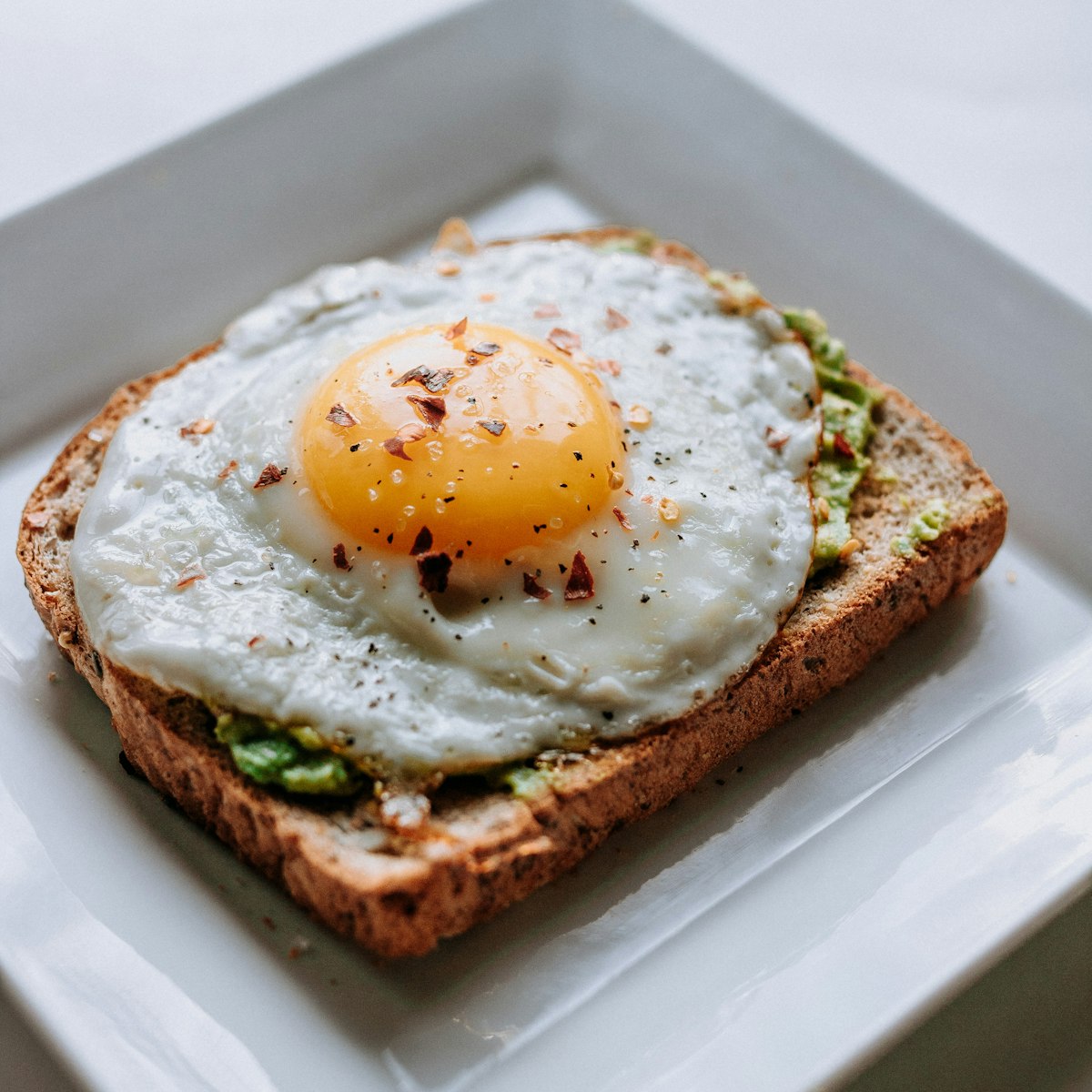
Breakfast is the most personal meal of the day — and the most culturally revealing. Every cuisine in the world has developed its own answer to the same basic question: what do we eat first, to break the night's fast and begin a new day? The answers range from soup to bread to elaborate multi-dish spreads, and understanding them is one of the most enjoyable windows into how different cultures approach nourishment, community, time, and pleasure.
What strikes any curious eater traveling the world is how dramatically breakfast expectations differ. The Continental breakfast of Europe — bread, butter, maybe some ham and cheese — seems austere to an American expecting eggs and bacon. The American diner breakfast seems impossibly heavy to a Japanese person expecting a bowl of rice and miso soup. And yet each tradition makes perfect sense within its own context. Let's explore how different cultures answer the most important question of the morning.
Japan: Miso Soup, Rice, and the Art of Balance
The traditional Japanese breakfast is a study in balance — warm and cool, salty and mild, soft and textured. A typical breakfast might include a bowl of short-grain rice, a bowl of miso soup with tofu, wakame seaweed, and green onions, a serving of grilled fish (often salmon or mackerel), a small portion of pickled vegetables (tsukemono), a raw or grilled egg (sometimes tamagoyaki, a rolled omelet), and green tea. Nori sheets might be served to wrap bits of rice and fish.
This sounds elaborate, but in Japan, breakfast is treated with the same seriousness as dinner. Many families eat this way daily, and ryokan (traditional inns) serve elaborate multi-course traditional breakfasts to guests. The philosophy is that the body needs warming, nourishing foods in the morning after a night's rest, and that balance across protein, carbohydrate, vegetables, and fermented foods creates sustained energy and mental clarity. Japanese breakfast culture also reflects a broader cultural value: taking time to eat properly rather than rushing through a meal.
Korea: Beyond Bibimbap at Morning
Koreans famously eat bibimbap — the vibrant bowl of rice, vegetables, gochujang, and often a fried egg — for breakfast, among other meals. But Korean breakfast culture extends well beyond this one beloved dish. A traditional Korean breakfast (jaewon chawsan) typically includes a pot of rice, a soup (often kongnamul guk, a mild soybean sprout soup), kimchi in various preparations, a grilled fish or jeotgal (salt-fermented seafood), namul (seasoned vegetables), and banchan — small side dishes that might include pickled radish, spinach, bean sprouts, and more.
The Korean breakfast is nutritionally comprehensive, typically featuring rice or rice porridge (juk), soup, kimchi, and multiple vegetable and protein dishes. Like Japan, Korea places significant cultural importance on the morning meal being warm and cooked, not cold or grabbed on the go. Many Koreans still eat this way at home, particularly on weekends and holidays, though weekday mornings have trended toward quicker options in busy urban life.
Full English Breakfast: The Morning Feast
The Full English — also called a fry-up — is the United Kingdom's most famous culinary export to breakfast culture. The traditional spread includes back bacon (or less commonly, sausages), eggs (fried or poached), grilled tomatoes, sautéed mushrooms, toast (often spread with butter and possibly marmite or jam), black pudding (blood sausage), and baked beans in tomato sauce. Hash browns have become a common modern addition.
The Full English is a working-class tradition with working-class roots. It was designed as a hearty, calorific start to a demanding physical workday. Its contents reflect British agricultural traditions: pork products, dairy, and preserved legumes. Tea — strong, sweet, with milk — is the canonical drink. The English breakfast is traditionally eaten at any point from early morning through late morning, and the concept of a "breakfast plate" as the focal point of the meal has spread globally through British cultural influence.
France: The Light and Lovely Petit Déjeuner
French breakfast philosophy is famously minimal, and often surprises visitors expecting something more substantial. The typical French breakfast (petit déjeuner) is a café au lait — strong coffee (often with chicory) mixed with hot milk — accompanied by a croissant, tartine (a slice of baguette spread with butter and jam or honey), or sometimes just bread with butter and jam.
This lightness is culturally intentional. The French traditionally eat their largest meal at midday (le déjeuner), and the morning is not seen as a time for heavy food. Pastry shops open early to serve working French people on their way to work, and the ritual of stopping for a coffee and a croissant is a daily social institution. The croissant itself — buttery, flaky, and slightly sweet — is engineered for eating with coffee: it soaks up the liquid without disintegrating. Sunday brunch in France has trended toward more elaborate spreads in recent years, influenced by American and other international norms.
Mexico: Chilaquiles and the Morning Heat
Mexican breakfast is bold, flavorful, and often built around the Day of the Dead of corn: tortillas. Chilaquiles — gently fried tortilla chips simmered in salsa (red or green) and topped with cheese, cream, onions, and often a fried egg and beans — is the quintessential Mexican breakfast dish, and one of the most satisfying meals in any cuisine. Huevos rancheros — fried eggs on a corn tortilla with salsa — is another beloved classic.
Mexico's breakfast traditions reflect its agricultural and cultural history: corn in nearly every form, beans as a protein staple, fresh cheeses, crema (a cultured cream similar to sour cream but milder), and chili peppers at every meal. Fresh fruit with lime and chili powder — mangonada, fruit cups drizzled with chamoy and dusted with chili powder — is a common street breakfast. Horchata (rice milk with cinnamon) and café de olla (coffee boiled with cinnamon and sugar) are the classic drinks.
Israel: The Breakfast Feast
Israel's breakfast culture is legendary, and the Israeli breakfast — served widely in hotels, kibbutzim, and urban cafés — is one of the most generous spreads in any culinary tradition. A typical Israeli breakfast includes shakshuka (eggs poached in spiced tomato sauce, often served with challah bread for dipping), hummus and tehina dips with fresh pita, a rotating selection of salads (tomato-cucumber, carrot-raisin, eggplant), hard-boiled eggs, olives, fresh cheeses, smoked salmon or cured meats, and fresh fruit.
Shakshuka deserves special mention — it has become a globally beloved breakfast dish, and its appeal is easy to understand: it's quick to make (20 minutes), it's deeply flavorful, it's adaptable to whatever spices and vegetables you have on hand, and it serves well directly from the pan with bread for wiping up the sauce. The Israeli breakfast tradition reflects both the kibbutz culture of communal, generous eating and the broader Mediterranean influence of olive oil, fresh vegetables, and legumes at every meal.
India: Paratha, Chai, and Morning Warmth
Indian breakfast (nashta) is one of the most varied and delicious breakfast cultures in the world, reflecting the enormous diversity of the subcontinent's regional cuisines. In North India, a classic breakfast might include paratha — layered, pan-fried flatbread stuffed with potato, cauliflower, paneer, or other fillings — served with yogurt, pickle, and a cup of masala chai. Upma — a savory semolina porridge — and poha — flattened rice with vegetables and peanuts — are popular across many regions.
The South Indian breakfast traditions are particularly rich: idli (steamed rice cakes), dosa (crispy fermented rice-lentil crepes), uttapam (thick savory pancakes topped with vegetables), and vada (deep-fried lentil fritters). These are typically served with sambar (a spiced lentil and vegetable stew) and a variety of chutneys. The combination of fermented foods (idli, dosa), sambar (packed with protein from lentils), and coconut chutney creates a breakfast that is nutritionally complete and fermented for gut health — thousands of years before the modern probiotic movement.
America: The Diner Breakfast Culture
American breakfast culture is defined by its abundance and its regional diversity. The diner breakfast — eggs any style, bacon or sausage, toast with butter and jam, hash browns or home fries, pancakes or waffles, and coffee — is an institution that emerged from the working-class tradition of filling, affordable morning meals. The American breakfast plate is designed to deliver sustained energy: protein from eggs and meat, carbohydrates from bread and potatoes, and the quick sugar boost from pancakes and syrup.
But American breakfast is also deeply regional and evolving. In the South, biscuits and gravy — flaky homemade biscuits smothered in a thick white pepper gravy — is a soul food tradition with deep roots. In New York, a bodega breakfast might be a bacon, egg, and cheese on a roll eaten over the sink. In California, avocado toast and matcha lattes have become iconic. The American breakfast reflects American culture: diverse, abundant, constantly evolving, and never shy about portion sizes.
Scandinavia: The Smörgåsbord Morning
The Swedish word fika — the ritual of taking a break for coffee and something sweet — has become globally known, but the Scandinavian breakfast is more than fika. A traditional Swedish breakfast might include filmjölk (a mild, yogurt-like fermented milk) or standard yogurt with müesli and fruit, open-faced sandwiches (smörgås) topped with ham, cheese, cured salmon (gravlax), cucumber, or liver paste, crispbread (knäckebröd), boiled eggs, and coffee. The emphasis is on lightness, fermented dairy, and a variety of toppings rather than cooked hot dishes.
Fika, however, is where Scandinavian breakfast culture gets interesting. It's not a meal exactly — it's a pause, a ritual, an institution. Taking fika means stopping work, making good coffee, and sharing something sweet — cinnamon buns (kanelbullar), cookies, or cake — with colleagues or friends. The concept of deliberate, unhurried coffee-and-pastry breaks has spread internationally, and it's a reminder that breakfast culture is as much about how you eat as what you eat.
Egypt: Fool Medames and the Power of Beans
Fool medames — slow-cooked fava beans seasoned with cumin, olive oil, lemon, garlic, and often a drizzle of tahini — is Egypt's national breakfast dish and one of the oldest continuously eaten dishes in the world. The beans are cooked overnight and kept warm in enormous copper pots at street food stalls, where they're served with pita bread, fried eggs, fresh tomatoes, and sometimes feta cheese. It's cheap, filling, protein-rich, and deeply woven into Egyptian culture and identity.
The tradition of ful medames as the morning meal reflects Egypt's agricultural history — fava beans have been a staple crop along the Nile for thousands of years — and its position as a bridge between Africa, the Middle East, and the Mediterranean. A breakfast of ful, pita, fresh vegetables, and tea is the breakfast of farmers, students, and urban workers alike, eaten at home, at small eateries, and at street stalls at 6 in the morning. It is one of the great unsung breakfasts of the world.
Vietnam: Pho for Breakfast
In Vietnam, pho — the aromatic beef noodle soup with rice noodles, star anise-scented broth, thinly sliced beef, and fresh herbs — is overwhelmingly a breakfast food. Phở shops open early, typically at 6 AM, and serve their primary clientele — workers, students, and commuters — before most of the city has fully woken up. The soup, which takes hours (sometimes the entire night) to build into its deeply flavored broth, is served in the morning as a nourishing, hydrating, and complete meal.
Vietnamese breakfast culture extends beyond pho: bánh mì (the legendary Vietnamese sandwich with grilled pork, pâté, pickled vegetables, and cilantro on a crusty baguette) is a quintessential breakfast-on-the-go, and Vietnamese egg coffee — strong drip coffee mixed with sweetened condensed milk and served hot or over ice — is a morning ritual. The Vietnamese approach to breakfast reflects the importance of warm, liquid-rich meals in a hot climate and the culture's mastery of balancing sweet, salty, sour, and herbaceous flavors.
Why Breakfast Traditions Differ
The extraordinary diversity of global breakfast traditions is shaped by several interlocking factors. Climate is foundational — cold-weather cultures developed heartier, cooked morning meals, while tropical cultures often favored lighter, fresher preparations. Agricultural history determines what's abundant and affordable: Japan's rice and fish culture, Egypt's fava beans along the Nile, Mexico's corn and beans, India's lentils across diverse regions.
Work patterns shape meal timing profoundly. Cultures where the midday meal is the main meal of the day — much of Europe, Latin America, and Asia — tend toward lighter breakfasts. Cultures where the workday starts early and ends early — much of the English-speaking world — developed heartier morning meals to fuel demanding physical labor. Religious and cultural traditions also play a role: fasting traditions, spice traditions, and fermented food traditions all influence what appears on the morning table.
Exploring global breakfast traditions is one of the most delicious ways to understand a culture — not through its grand cuisine or its restaurant culture, but through its most intimate, daily ritual. The question of what you eat when you first wake up is fundamentally a question of who you are. Try one new international breakfast this week, and notice what it reveals.