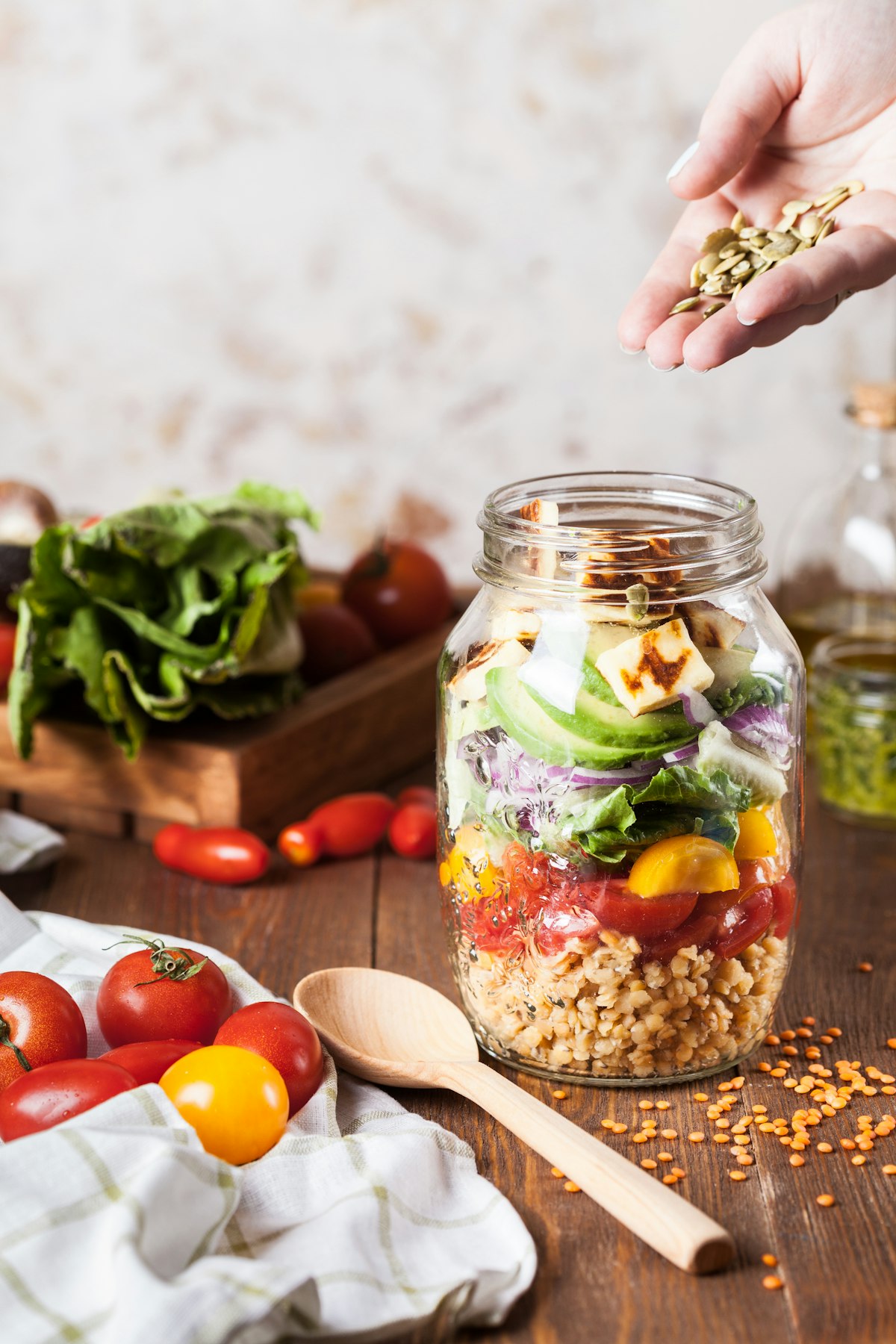
The afternoon slump is real. Blood sugar dips, energy flags, concentration wavers, and suddenly the vending machine looks distressingly attractive. But snacking doesn't have to be a nutritional compromise — and strategically planned snacks can actually improve your energy, metabolism, and overall nutritional intake rather than undermining it. The key is understanding what makes a snack work for your body, and having a repertoire of options that are genuinely satisfying rather than the、包装された砂糖 and fat substitutes that dominate convenience store shelves.
This guide is about building that repertoire: snacks that are genuinely delicious, genuinely nourishing, and genuinely portable enough to fit into real life. Whether you need sustained energy for an active day, protein to support recovery, or simply something to take the edge off between meals, there are snacks here that will serve you better than anything wrapped in plastic.
Why Snacking Matters: Blood Sugar and Metabolism
The case for snacking is rooted in how the human body manages energy. When you go long periods without eating, blood glucose drops, triggering hunger signals, energy crashes, and often overeating at the next meal. For most people eating three meals a day with 5+ hours between them, snacking strategically can smooth out these energy dips and prevent the blood sugar rollercoaster that leads to cravings for refined carbohydrates and sugar.
The science of snacking isn't just about calories — it's about the composition of the snack. A snack that combines protein, fiber, and healthy fat will digest more slowly than one that's just carbohydrates, providing sustained energy rather than a quick spike followed by a crash. This is why an apple with almond butter is a better snack than an apple alone (the fat and protein in the nut butter slow the fruit's sugar absorption) and why trail mix with nuts outperforms pretzels of equal caloric value.
Snack Timing: Finding Your Rhythm
There's no single snack schedule that works for everyone, but a few principles have broad applicability. If you eat breakfast at 7:30 AM, lunch at 12:30 PM, and dinner at 7:00 PM, a morning snack around 10:00 AM and an afternoon snack around 3:00–4:00 PM help bridge the gaps without ruining appetite for the next meal.
Post-workout is another key snacking window, when the body is primed to absorb nutrients for recovery. A snack combining protein and carbohydrates within 30–60 minutes of exercise helps replenish glycogen stores and support muscle repair. The best snacks for this window are ones that combine 15–30 grams of protein with 30–60 grams of carbohydrates, like Greek yogurt with banana or a recovery smoothie.
Energy Balls: Five Essential Variations
Energy balls are the modern snack classic — no-bake, portable, endlessly customizable, and genuinely satisfying. The basic formula is: oats + nut butter + sweetener + add-ins. Mix, chill, roll, eat. Here are five variations that cover the flavor spectrum:
Classic Peanut Butter Chocolate Chip: 1 cup rolled oats, ½ cup peanut butter, ¼ cup honey or maple syrup, ¼ cup mini chocolate chips, 1 tablespoon chia seeds. Mix thoroughly, refrigerate 30 minutes, roll into 12 balls. Approximately 120 calories and 4g protein per ball.
Tahini Date: 1 cup Medjool dates (pitted), ½ cup almonds, 2 tablespoons tahini, pinch of sea salt. Process in a food processor until the mixture clumps. Roll into balls, roll in sesame seeds. Naturally sweetened, high in fiber and calcium.
Coconut Almond: 1 cup shredded unsweetened coconut, ½ cup almond flour, ¼ cup almond butter, 3 tablespoons honey, ½ teaspoon vanilla extract. Coconut provides healthy fats; almond flour keeps them grain-free.
Mocha Energy: 1 cup rolled oats, ½ cup strong-brewed espresso (or strong coffee), ¼ cup almond butter, 2 tablespoons cocoa powder, 2 tablespoons maple syrup. The caffeine provides an energy boost; the chocolate satisfies chocolate cravings.
Apricot Turmeric: 1 cup dried apricots, ½ cup cashews, ½ teaspoon turmeric powder, ¼ teaspoon black pepper (enhances turmeric absorption), 1 tablespoon honey. These golden balls have an anti-inflammatory profile and a pleasantly tart, fruity flavor.
Hummus from Scratch
Store-bought hummus is convenient, but homemade is so much better — creamier, fresher, and infinitely more adaptable — that once you make it from scratch, you won't go back. The classic recipe is almost embarrassingly simple: one can of drained chickpeas (about 1½ cups), 2–3 tablespoons of tahini, juice of one lemon, one small clove of garlic, ½ teaspoon of cumin, salt to taste, and 2–4 tablespoons of cold water to achieve your desired consistency.
Throw everything in a food processor and blend for 3–4 minutes until completely smooth. The tahini is what makes it creamy, the lemon brightens it, and the water is the secret to a silky texture — don't skip it. For extra smooth hummus, remove the papery skins from the chickpeas before blending. The difference is remarkable.
Flavor variations: roasted garlic instead of raw, roasted red pepper blended in, a swirl of olive oil and za'atar on top, chipotle peppers for heat, sun-dried tomatoes, or a drizzle of truffle oil. Make a big batch and portion it into containers for snacking throughout the week.
Vegetable Crudités with Dips
Sometimes the best snack is the simplest. Cut carrots into sticks, celery into lengths, cucumber into half-moons, bell peppers into strips, cherry tomatoes, radishes halved, and broccoli and cauliflower florets. Pair with hummus (see above), tzatziki (Greek yogurt, cucumber, garlic, dill), or baba ganoush (smoky roasted eggplant dip).
The key to making crudités satisfying rather than dutiful is quality and temperature: vegetables should be cold and crisp, not wilted. Cut them the morning you plan to eat them, store in cold water, and they'll stay crunchy all day. The effort of preparing them ahead makes you far more likely to reach for vegetables than chips when afternoon hunger strikes.
Roasted Chickpeas
Roasted chickpeas are the snack that converts chip skeptics. Crispy, savory, and satisfying, they deliver the crunch of chips with the nutritional profile of legumes. The method: drain and dry a can of chickpeas thoroughly (this is critical — wet chickpeas won't get crispy), toss with olive oil, salt, and your seasoning of choice, spread in a single layer on a sheet pan, and roast at 400°F (200°C) for 25–35 minutes, shaking the pan every 10 minutes, until deeply golden and crisp.
Seasoning options: garlic parmesan (garlic powder, nutritional yeast, Italian herbs), buffalo wing (hot sauce + melted butter coating), taco seasoning, za'atar with lemon zest, or curry powder with a touch of maple syrup. Eat them within a day or two of roasting — they lose their crunch as they sit.
Greek Yogurt Parfaits
Greek yogurt is one of the most protein-dense snacks available — a single serving can deliver 15–20 grams of protein, more than most protein bars, at a fraction of the cost and with far fewer ingredients. The base is Greek yogurt (choose plain, not flavored — the added sugar in flavored yogurts is shockingly high), layered with fresh or frozen fruit, a sprinkle of granola or nuts, and a drizzle of honey.
The parfait is infinitely variable: berries and honey in summer, sliced pear and walnuts with cinnamon in autumn, mango and coconut in tropical moods. For extra protein, add a tablespoon of hemp seeds, chia seeds, or ground flaxseed. For a dessert-like treat, layer in some dark chocolate chips. The Greek yogurt base makes it genuinely satisfying rather than just sweet.
Apple Slices with Nut Butter
The classic pairing deserves its reputation. An apple provides fiber, water content, and natural sweetness; a tablespoon of almond butter, peanut butter, or cashew butter adds protein, healthy fat, and savory depth. Together, they provide a balanced snack that covers all the macros — carbohydrate from the fruit, fat and protein from the nut butter — and takes 30 seconds to assemble.
The only trick: slice the apple and spread the nut butter immediately before eating, not hours ahead, or the apple will brown and the nut butter will separate. If you need to prep ahead, squeeze lemon juice on the apple slices and store them in an airtight container with a damp paper towel.
Hard-Boiled Eggs: The Make-Ahead Protein Bomb
Hard-boiled eggs are the snack you didn't know you needed until you have them. A single egg delivers 6 grams of high-quality protein and a range of micronutrients including B vitamins, selenium, and choline. Boil a dozen on Sunday and you have portable, protein-rich snacks for the entire week.
The method for perfect hard-boiled eggs: place eggs in a pot, cover with cold water, bring to a boil over high heat, cover, remove from heat, and let sit for exactly 12 minutes. Drain, transfer to an ice bath for 5 minutes, then peel. The ice bath stops the cooking immediately, preventing the gray-green ring around the yolk and producing a tender, bright yellow yolk. Season with everything bagel seasoning, paprika, salt and pepper, or make deviled eggs by halving and mixing the yolk with Greek yogurt, mustard, and herbs.
Trail Mix Math
Trail mix is an ideal portable snack — calorie-dense, nutrient-rich, no refrigeration required, and endlessly customizable. The mistake most people make is buying pre-made trail mix loaded with sugary candies, which turns a healthy snack into a sugar delivery system. Making your own trail mix lets you control the ratio and the quality of every ingredient.
The formula: 40% nuts (almonds, cashews, walnuts, pecans), 30% seeds (pumpkin, sunflower, hemp), 20% dried fruit (raisins, apricots, dates, dried blueberries, dried mango), and 10% dark chocolate chips or cacao nibs for satisfaction. This balance delivers protein, healthy fats, fiber, and just enough sugar from the dried fruit to provide energy without the crash.
Cheese and Fruit
The simplest combination on this list and possibly the most satisfying. A few ounces of good cheese — aged cheddar, manchego, gouda, or a soft ripened cheese like brie — paired with seasonal fresh fruit and a handful of crackers or a few walnut halves creates a snack that covers flavor, nutrition, and the kind of sensory pleasure that prevents snacking from feeling like a chore.
The key is portion control: cheese is calorie-dense, and it's easy to eat far more than you intend. Pre-portion your cheese into 1–2 ounce servings on a cutting board or plate rather than eating from the block, and pair each serving with fruit, nuts, or crackers to slow the eating and create a complete snacking experience.
Homemade Granola Bars
Store-bought granola bars are often glorified candy bars — high in sugar, low in protein, and made with ingredients you wouldn't recognize. Homemade granola bars are different: you control the ingredients, the sweetness, and the protein content, and they take 30 minutes to make.
The base recipe: 2 cups rolled oats, ½ cup nut butter, ¼ cup honey or maple syrup, ½ cup add-ins (chocolate chips, dried fruit, nuts, seeds), 1 teaspoon vanilla, pinch of salt. Press firmly into a lined 8×8 pan and bake at 325°F (165°C) for 20–25 minutes until golden. Cool completely before cutting — they'll firm up as they cool. Wrap individual bars in parchment for grab-and-go convenience. They'll keep for a week at room temperature or a month in the freezer.
Snacks for Different Goals
For sustained energy: Combine complex carbohydrates with protein and fat — apple and nut butter, whole grain crackers with cheese, oatmeal with banana and walnuts. These provide steady glucose release rather than spikes.
For protein-focused goals (muscle building, recovery): Greek yogurt, hard-boiled eggs, cottage cheese with fruit, turkey and cheese roll-ups, edamame, roasted chickpeas. Aim for 15–25 grams of protein per snack.
For post-dinner sweet cravings: Frozen grapes (like mini ice pops), dark chocolate and almonds, banana frozen and blended into a soft-serve texture, a small portion of homemade granola, or fig newtons with a glass of milk.
The perfect snack is the one you'll actually eat. Having a stocked snack drawer or fridge — with pre-portioned, genuinely appealing options — is the single most effective strategy for avoiding the vending machine and maintaining stable energy throughout the day.