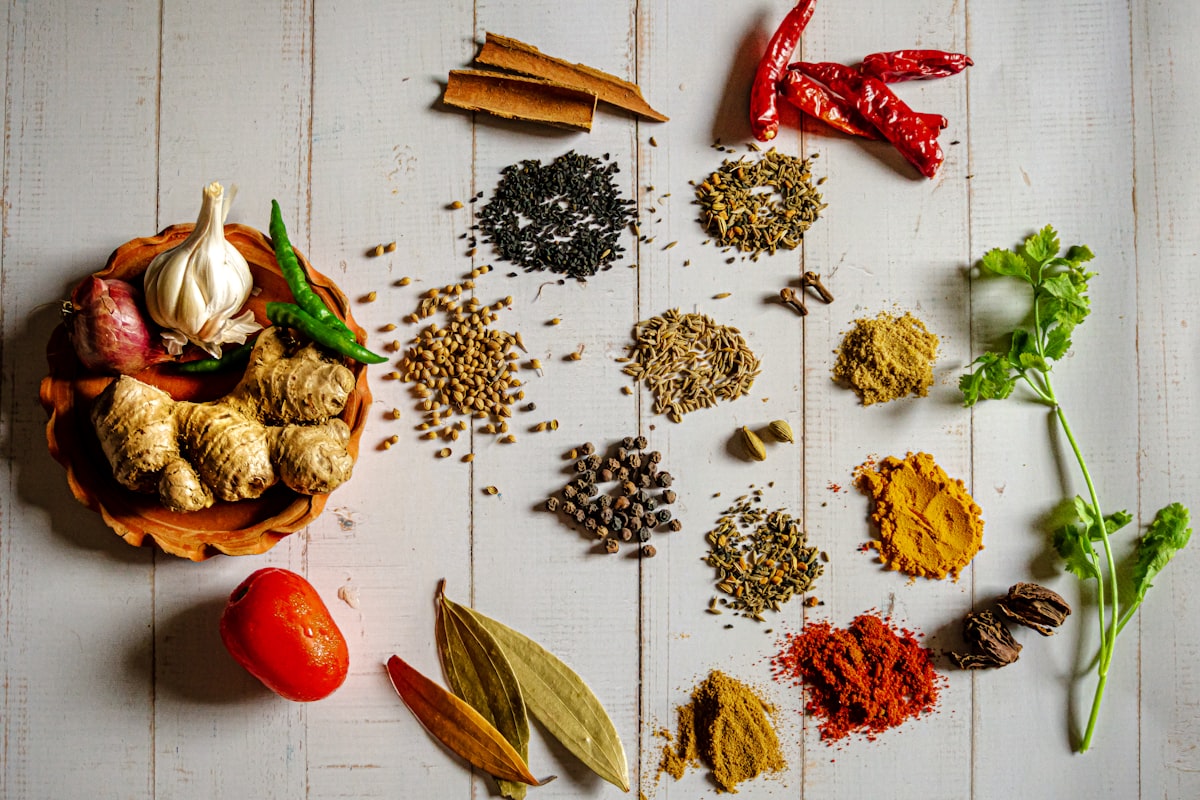
Spices are the difference between food that sustains and food that sings. They have no nutritional value in the way that proteins or vitamins do, yet they transform the experience of eating so profoundly that a meal without seasoning can seem almost flavorless by comparison. The good news is that cooking with spices well is a skill that any home cook can develop, and it does not require a cabinet full of exotic ingredients or years of training. It requires understanding a few fundamental principles and having the right starting collection.
Whole Spices vs. Ground: When to Use Each
The first distinction to understand is between whole spices and their ground counterparts. Whole spices — cumin seeds, coriander seeds, cardamom pods, cinnamon sticks — retain their aromatic oils much longer than ground versions and deliver a fresher, more complex flavor. When you grind a spice fresh, you release volatile aromatic compounds that begin dissipating immediately. A spice that has been sitting on a grocery shelf in ground form for months or years is a pale ghost of what it could be.
That said, ground spices have their place. They are convenient, they distribute more evenly through a dish, and for certain preparations — a rub, a quick marinade, a sauce that will cook for an extended period — the difference between fresh-ground and pre-ground is less critical. The key is to buy ground spices in small quantities from a store with high turnover, and to replace them more frequently than most people do. If your ground cumin is more than six months old, it is time for a new bottle.
Toasting Whole Spices: The Transformation That Elevates Everything
Toasting whole spices is one of the most impactful techniques a home cook can master, and it takes less than two minutes. The dry heat of a skillet applied to whole spices releases their essential oils, intensifying their flavor and adding a new layer of depth and complexity that the raw spices lack. Toasting also makes spices easier to grind, as the heat drives moisture out of the seeds and makes them more brittle.
The technique is simple: place whole spices in a dry skillet over medium heat, stirring or tossing constantly to prevent burning. You will know they are done when they become fragrant — you will smell them before you see any visible change. The moment you smell that intense aroma, they are done. Transfer immediately to a plate or bowl to stop the cooking; leaving them in the hot pan will cause them to continue cooking and potentially burn. Cool completely before grinding in a spice grinder, mortar and pestle, or clean coffee grinder dedicated to spices.
Proper Spice Storage: Light, Heat, and Air Are the Enemies
Spices deteriorate through exposure to three things: light, heat, and air. The compounds that give spices their flavor and aroma are volatile — they escape readily into the air, and this process accelerates with heat and light. This is why the spice rack next to the stove is the worst possible place to store spices, despite the convenience. A pantry, drawer, or cabinet away from the cooking area is ideal.
Invest in airtight containers — glass jars with tight-fitting lids are preferable to the cardboard or plastic containers most spices come in. Transfer your spices to these containers upon purchase, and store them in a dark, cool place. The freezer is a legitimate option for long-term storage of whole spices, which can be ground directly from frozen without thawing — the cold actually helps keep the oils stable. Ground spices lose their potency more quickly and are better kept in the pantry. As a rule of thumb, replace whole spices after one to two years and ground spices after six months to one year.
Building a Starter Spice Collection
You do not need dozens of spices to cook well, but having the right dozen or so opens up enormous culinary territory. The essential core collection for a home cook interested in global cooking should include: cumin (whole seeds and ground), coriander (whole seeds and ground), sweet paprika, smoked paprika, cinnamon (ground and sticks), turmeric, black pepper (whole peppercorns in a grinder), chili flakes or cayenne, and garlic powder. These ten items cover the flavor foundations of Indian, Middle Eastern, Mexican, Mediterranean, and American cooking.
From this foundation, you can expand based on your interests and the cuisines you cook most. For Southeast Asian cooking, add fish sauce, lemongrass, and galangal. For more Indian cooking, add garam masala, curry powder, mustard seeds, and fenugreek. For Middle Eastern cooking, add sumac, za'atar, and ras el hanout. For Latin American cooking, add achiote, oregano, and chipotle in adobo. Buy small quantities of new spices, cook a dish that uses them prominently, and only expand if the cuisine captures your interest.
The Essential Spices: Profiles and Best Uses
Cumin is arguably the most important spice in the world, central to Latin American, Indian, Middle Eastern, and North African cooking. It has an earthy, warm, slightly nutty flavor that anchors savory dishes. Always toast whole cumin seeds before grinding or using in a recipe where they will be visible; ground cumin can be used directly.
Coriander has a light, floral, citrusy quality that brightens savory dishes. The seeds are sweet and aromatic, quite different from the fresh herb (cilantro) they share a name with. Use both whole and ground. Paprika ranges from sweet and mild to hot and pungent depending on the variety. Hungarian sweet paprika is the classic for Hungarian dishes and chicken paprikash; smoked Spanish paprika (pimentón) adds incredible depth to Spanish and Mexican preparations. Cinnamon in stick form is for infusing — add to braises, stocks, and mulled drinks. Ground cinnamon is for baking and some savory applications in Middle Eastern cooking.
Turmeric provides earthy warmth and a brilliant golden color; it is a cornerstone of Indian cooking and adds both flavor and visual appeal to curries, rice dishes, and soups. Use it sparingly — too much turmeric makes food taste bitter and medicinal. Black pepper should always be ground fresh from whole peppercorns; pre-ground pepper is notably inferior. Chili flakes (red pepper flakes) add heat without the complexity of fresh chiles; they are perfect for pizza, pasta, soups, and anything where you want a background heat that builds gradually.
Smoked Paprika vs. Regular Paprika: Why It Matters
The difference between smoked and regular paprika is one of those revelations that changes how you cook. Spanish smoked paprika, or pimentón de la Vera, is dried and smoked over oak wood, which imparts a deep, campfire-like smokiness that is entirely different from the sweet or hot Hungarian paprika most Americans grow up with. This smokiness adds a dimension of flavor that is otherwise difficult to achieve without actual smoking.
Smoked paprika is essential in Spanish chorizo and paella, in many Mexican adobo preparations, and in any dish where you want the flavor of wood smoke without the process of actual smoking. It is worth seeking out the Spanish version specifically — American-made smoked paprika is often liquid smoke-infused and lacks the depth of the traditionally smoked Spanish variety. Store it as carefully as you would any ground spice, in a sealed container in a cool, dark place, and it will keep its flavor for well over a year.
Classic Spice Mixes: Garam Masala, Curry Powder, and Italian Herbs
Spice mixes are regional flavor signatures that give cuisines their distinctive character. Garam masala — the warming spice blend of North Indian cooking — typically includes cardamom, cinnamon, cloves, cumin, coriander, and black pepper, though the exact composition varies by region and household. Unlike curry powder (which is a British invention for the Western palate), garam masala is added near the end of cooking, not at the beginning, to preserve its aromatic complexity.
Curry powder, by contrast, is a foundation spice added at the start of cooking to build the flavor base of a dish. It typically includes turmeric (which gives it the characteristic yellow color), coriander, cumin, fenugreek, chili, and black pepper. The quality of curry powder varies enormously — commercial blends tend to be stale and overly chili-forward. Making your own allows you to control the freshness and the heat level.
Italian herb blends — basil, oregano, rosemary, thyme, and sometimes marjoram — are the backbone of Italian tomato sauces, roasted meats, and pizza. The difference between an Italian herb blend and the dusty, tasteless "Italian seasoning" in most American grocery stores is the difference between wine and grape juice. Fresh-dried herbs from a source with good turnover, or a blend you mix yourself, will transform your Italian cooking.
Buying Spices in Bulk: When It Makes Sense
Buying spices in bulk from specialty importers or well-stocked international grocery stores can save money and guarantee freshness, particularly for whole spices, which have a longer shelf life than ground. International grocery stores often have spice sections with far higher turnover than mainstream supermarkets, meaning the products are fresher. Asian, Indian, Middle Eastern, and Latin American grocery stores are particularly good sources for spices from those cuisines at a fraction of the cost of specialty spice shops.
The key is to buy quantities you will actually use before they degrade. A pound of cumin seeds sounds economical, but if it takes you three years to use it, you have wasted money on stale spices. For whole spices used regularly, buy in quantities that will last three to six months. For ground spices, buy smaller quantities and replace more often. The slight premium of buying smaller amounts more frequently is worth it for the freshness you gain.
Spice Substitution Guide
When you are mid-recipe and missing a spice, substitution is possible — but not all swaps are equal. Here are the most useful substitutions: cumin seeds can be replaced with caraway seeds (similar earthy warmth) or replace ground cumin with 3/4 amount of garam masala plus a little chili. Coriander can be replaced with fennel seeds (milder, slightly sweet). Smoked paprika can be replaced with regular paprika plus a pinch of cumin and a small amount of liquid smoke. Cinnamon can be replaced with allspice (different but complementary) for baking.
Turmeric is difficult to substitute because its earthy, slightly bitter flavor is distinctive — you can use curry powder as a partial substitute, accepting a different flavor profile. Chili flakes can be replaced with cayenne pepper (use about half the amount). Black pepper is its own category — white pepper is the closest substitute but changes the visual appearance of light-colored dishes. The general principle: substitute with a spice that shares a flavor quality (warmth, citrus, heat, smokiness) rather than trying to match exactly, and adjust quantities to taste.