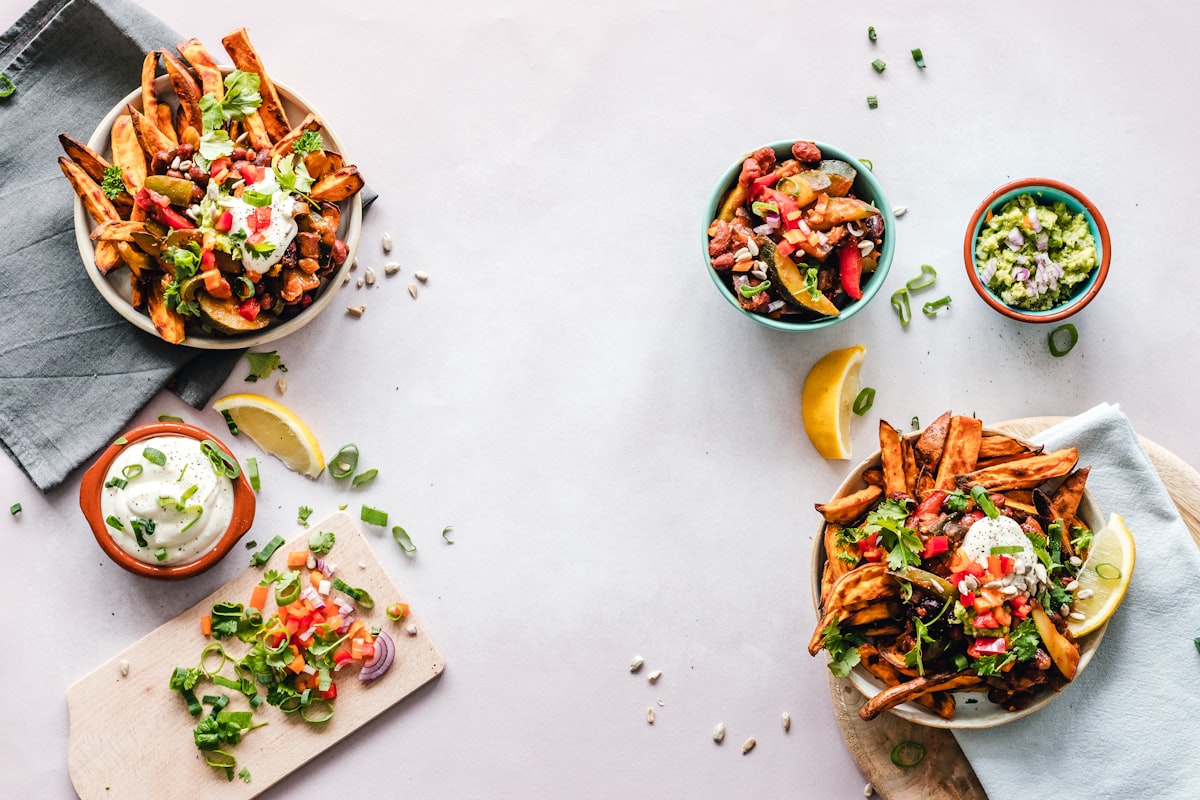
Comfort food is not just about taste. It is about memory, ritual, and the particular alchemy that happens when certain foods encounter certain emotional states. Research suggests that comfort foods trigger psychological associations with care, nurturing, and positive memories — often from childhood — that produce genuine physiological responses, including reduced cortisol (the stress hormone) and increased feelings of security and well-being. The mashed potatoes your grandmother made after a bad day, the chicken soup your mother served when you were sick, the mac and cheese that appeared on special occasions: these foods are loaded with meaning far beyond their ingredients.
What Makes Food "Comforting": The Science and the Nostalgia
Beyond nostalgia, there are genuine sensory qualities that make food feel comforting. Warm temperatures, soft textures, and rich, creamy mouthfeels are consistently rated as comforting across cultures. Foods that require minimal chewing — mashed potatoes, soup, stew — are particularly associated with comfort, perhaps because they evoke the ease and carefreeness of being nurtured. The fat content in classic comfort foods is not incidental: fat delivers satisfaction and a sense of abundance that signals nourishment and security.
Salt is another key component — most comfort foods are well-salted, and sodium has been shown to have a direct calming effect on the nervous system. This is not an excuse to over-salt everything, but it explains why a perfectly seasoned bowl of stew feels more satisfying than an under-seasoned version of the same dish. Aromas play a critical role as well: the smell of bread baking or onions caramelizing triggers associations so deep and primal that they can transport you instantly to a different time and place. Comfort food is, in a very real sense, a time machine made of carbohydrates and fat.
Mac and Cheese from Scratch: The Ultimate Comfort Classic
Homemade mac and cheese is one of those dishes that separates people into two categories: those who have had it made properly and those who have not. The version from a box has its place — no judgment — but it is a different food entirely from the real thing. Real mac and cheese starts with a béchamel sauce, a simple white sauce made from butter, flour, and milk, seasoned with salt, pepper, and a touch of mustard powder.
The cheese sauce is where the magic happens. Use a combination of cheeses for the best flavor — sharp cheddar provides the classic tang and color, while Gruyère or Fontina adds meltiness and depth. Add the cheese in batches, stirring constantly over gentle heat to encourage it to melt without turning grainy. The goal is a sauce that is silky, glossy, and flows like heavy cream — if it looks clumpy or broken, you have overheated the cheese or added it too quickly. Combine with cooked, drained pasta, transfer to a baking dish, top with more cheese and buttered breadcrumbs, and bake at 375°F for 25 minutes until the top is golden and bubbling.
Chicken Pot Pie: A Complete Meal in a Crust
Chicken pot pie is the definition of comfort food: a creamy, savory filling of chicken and vegetables under a flaky, buttery pie crust, served bubbling hot from the oven. The filling is essentially a thick cream sauce with chicken and vegetables — peas, carrots, celery, and sometimes corn or green beans — held together with enough sauce to be saucy but not soupy. The key to a great pot pie filling is reducing the sauce enough that it does not make the bottom crust soggy.
Use leftover roasted chicken or quickly poach two chicken breasts in salted water — the poaching liquid is essentially free chicken stock, so use it as your sauce base. A shortcut that does not compromise quality: use good quality store-bought chicken broth and a splash of white wine for deglazing. The pie crust is the crowning glory, and a homemade crust (butter, flour, ice water, and a pinch of salt) is worth the effort if you have the time. For a weeknight version, top the filling with puff pastry instead — it bakes up shatteringly flaky and requires only unrolling.
Beef Stew: Patience Rewarded
A great beef stew is an exercise in patience and aromatics. The beef — typically chuck or another well-marbled cut — must be browned in batches in a hot Dutch oven until deeply caramelized on all sides. This step is non-negotiable; the browned bits (the fond) on the bottom of the pot are where the stew's deepest flavors live, and they must be deglazed with red wine or stock before the rest of the ingredients go in.
After browning the beef and deglazing, add aromatics — onion, carrot, celery, garlic, tomato paste — and cook until fragrant. Add enough liquid (beef stock, with the red wine deglaze making up a portion) to barely cover the meat and vegetables. Bring to a simmer, cover, and cook low and slow for 2 to 2.5 hours until the beef is completely tender and yields to a fork without resistance. Only add potatoes in the last 30 to 45 minutes so they do not fall apart. The stew is done when the sauce has reduced to a glossy, deeply flavored gravy that coats the meat and vegetables generously.
Creamy Mashed Potatoes: Simple Perfection
Mashed potatoes are the ultimate comfort food side dish — but their simplicity is deceptive. The difference between gluey, waterlogged mashed potatoes and creamy, fluffy ones is in the technique, not the recipe. Start with the right potato: Yukon Gold for buttery, creamy results that hold together well, or Russet for lighter, fluffier mashed potatoes that absorb butter and cream readily.
Cut potatoes into uniform pieces and cook in well-salted cold water starting from cold — bringing them up to a boil together ensures even cooking. Drain thoroughly and return to the hot pot (off the heat) for a minute to drive off excess moisture. This is critical: wet potatoes produce glue. Add butter first, letting it melt and coat each piece, then add warm milk or cream gradually, mashing or ricing until you reach your desired consistency. Season generously with salt and white pepper. For loaded mashed potatoes, fold in sour cream, shredded cheddar, and chopped green onions after mashing.
Meatloaf: The Unsung Champion of Comfort
Meatloaf has suffered from decades of bad institutional cooking in school cafeterias and airline kitchens, which has obscured how genuinely wonderful a well-made meatloaf can be. The key is in the binding and the fat content. A meatloaf that is too lean will be dry and crumbly; one with 15 to 20 percent fat (using a combination of ground beef, pork, and sometimes veal) will be juicy and satisfying. The binder — typically breadcrumbs soaked in milk, plus eggs — keeps the loaf together without making it dense.
The aromatics are where personality enters: onion and garlic, sautéed until soft and sweet, are standard. Some recipes add Worcestershire sauce, others a touch of tomato paste. Season aggressively with salt and pepper. The glaze is where most recipes fall short — a simple ketchup and brown sugar glaze is sweet and one-dimensional. A better glaze: ketchup mixed with a spoonful of whole-grain mustard, a splash of Worcestershire, and a bit of cider vinegar for balance. Bake at 350°F until an internal temperature of 160°F is reached, and let rest for 10 minutes before slicing.
Pork Chops with Gravy: Weeknight Soul Food
Bone-in, center-cut pork chops are among the most forgiving and flavorful cuts when cooked properly. The mistake most people make is overcooking, which dries out the meat and makes it tough and flavorless. A pork chop cooked to 145°F — the USDA-recommended safe temperature — will be slightly pink in the center and juicy, with a texture that is tender rather than dry and chalky.
Season generously with salt and pepper, sear in a hot cast-iron skillet until deeply golden on both sides, then remove to a plate and make a quick pan gravy in the same skillet: add a tablespoon of butter, whisk in a spoonful of flour, cook for a minute, then add chicken stock and a splash of cream, stirring until thickened. Season the gravy with salt, pepper, and a squeeze of lemon. Pour over the pork chops and serve with mashed potatoes or egg noodles. The entire dish takes less than 30 minutes from start to finish.
Shepherd's Pie: The Ultimate One-Dish Comfort Meal
Shepherd's pie — or cottage pie, its potato-topped cousin — is a complete, self-contained comfort meal in a single dish. The filling is a savory meat stew (traditionally lamb for shepherd's pie, beef for cottage pie), topped with a thick layer of mashed potatoes that are browned under the broiler for a golden, slightly crispy crown. The beauty of shepherd's pie is that it can be assembled ahead and baked when needed, making it ideal for entertaining or meal prep.
The meat filling should be seasoned well with salt, pepper, and aromatics, with enough thickened gravy to be saucy but not soupy. Some recipes add frozen peas and carrots directly to the meat; others serve them on the side. The mashed potato topping should be thick enough to hold its shape and fluffy enough to brown beautifully under the broiler. A secret professional technique: spread a thin layer of beaten egg white over the mashed potatoes before baking — it creates an incredibly golden, lacquered surface that looks and tastes restaurant-quality.
Slow Cooker Pulled Pork: Set It and Forget It
Pulled pork is the slow cooker's greatest achievement: a tough, inexpensive cut of pork shoulder transformed into something tender, juicy, and incredibly flavorful through the alchemy of low, steady heat over many hours. A pork shoulder (also called pork butt) of 3 to 4 pounds, seasoned aggressively with a spice rub — salt, brown sugar, paprika, garlic powder, onion powder, chili powder, and a touch of cayenne — and cooked on low for 8 to 10 hours yields meat that pulls apart with virtually no resistance.
The braising liquid that accumulates in the slow cooker is pure gold — a deeply flavorful, fatty pork stock that can be reduced on the stovetop and drizzled back over the pulled pork to keep it moist. Add a bottle of your favorite barbecue sauce and let it cook for another 30 minutes on high, or serve the unsauced pork with sauce on the side. Pulled pork freezes beautifully in portioned containers and reheats in minutes, making it one of the most useful meal prep proteins you can have in your freezer.
Chicken and Dumplings: Fluffy Clouds in Rich Broth
Chicken and dumplings is a Southern classic that exists in two main styles: the stew-style with dropped dumplings that poach in the broth, and the biscuit-style with larger dumplings that are baked separately and added. Both are legitimate; both are delicious. The version with dropped dumplings produces a thick, creamy stew-like consistency, while the biscuit-style produces a lighter, brothier dish with fluffy, biscuit-like dumplings floating on top.
The dumplings themselves are made from a simple biscuit dough — flour, butter, buttermilk, baking powder, and salt — dropped by spoonfuls into simmering chicken stew. The dumplings cook by steaming in the covered pot, rising to the surface light and pillowy. The key is to keep the pot covered and not lift the lid while the dumplings cook — drafts can cause them to collapse. About 15 minutes of simmering produces dumplings that are cooked through and tender, with a texture somewhere between a biscuit and a cloud.
Tips for Making Any Dish More Comforting
There are principles that apply across all comfort food categories, whether you are making a weeknight chicken soup or a full Sunday roast. Warm the bowls before serving — hot bowls keep food at the right temperature longer and feel more indulgent than cold ceramic. Use a splash of acid — a squeeze of lemon, a drizzle of good vinegar — to brighten flavors even in the richest dishes. Finish with fat: a pat of cold butter stirred into a soup, a drizzle of good olive oil over stew, a crust of toasted bread dunked in broth — these fat finishes are the punctuation at the end of a comforting meal.
Texture contrast is another tool: a creamy soup gains something from a handful of crispy croutons; a smooth mashed potato dish benefits from a scattering of chives or bacon bits. Temperature contrast works too — serving a warm stew with cool, tangy pickles or pickled onions on the side cuts through richness and refreshes the palate between bites. Finally, remember that comfort food is personal: the most comforting dish is the one that is yours, made the way you remember it, with the people you love.
Balance and Moderation: Comfort Without Regret
The challenge with comfort food is that the qualities that make it comforting — rich sauces, buttery crusts, creamy mashed potatoes — are also the qualities that make it something you do not want to eat every single day. This is not a reason to avoid comfort food; it is a reason to approach it with intention and balance. Make it when you need it. Enjoy it fully when you do. And on the days when comfort is not what you need, eat the salad.
The greatest cooks understand that no single meal is responsible for your overall health — it is the pattern of eating over weeks and months that matters. A magnificent beef stew on a cold Sunday afternoon, shared with friends and family, is not sabotaging your health any more than a week of vending-machine lunches is destroying your nutrition. Food is meant to nourish both body and soul, and the dishes in this article feed both. Make them when you need them, share them generously, and let them do what they were always meant to do: make you feel a little more human.