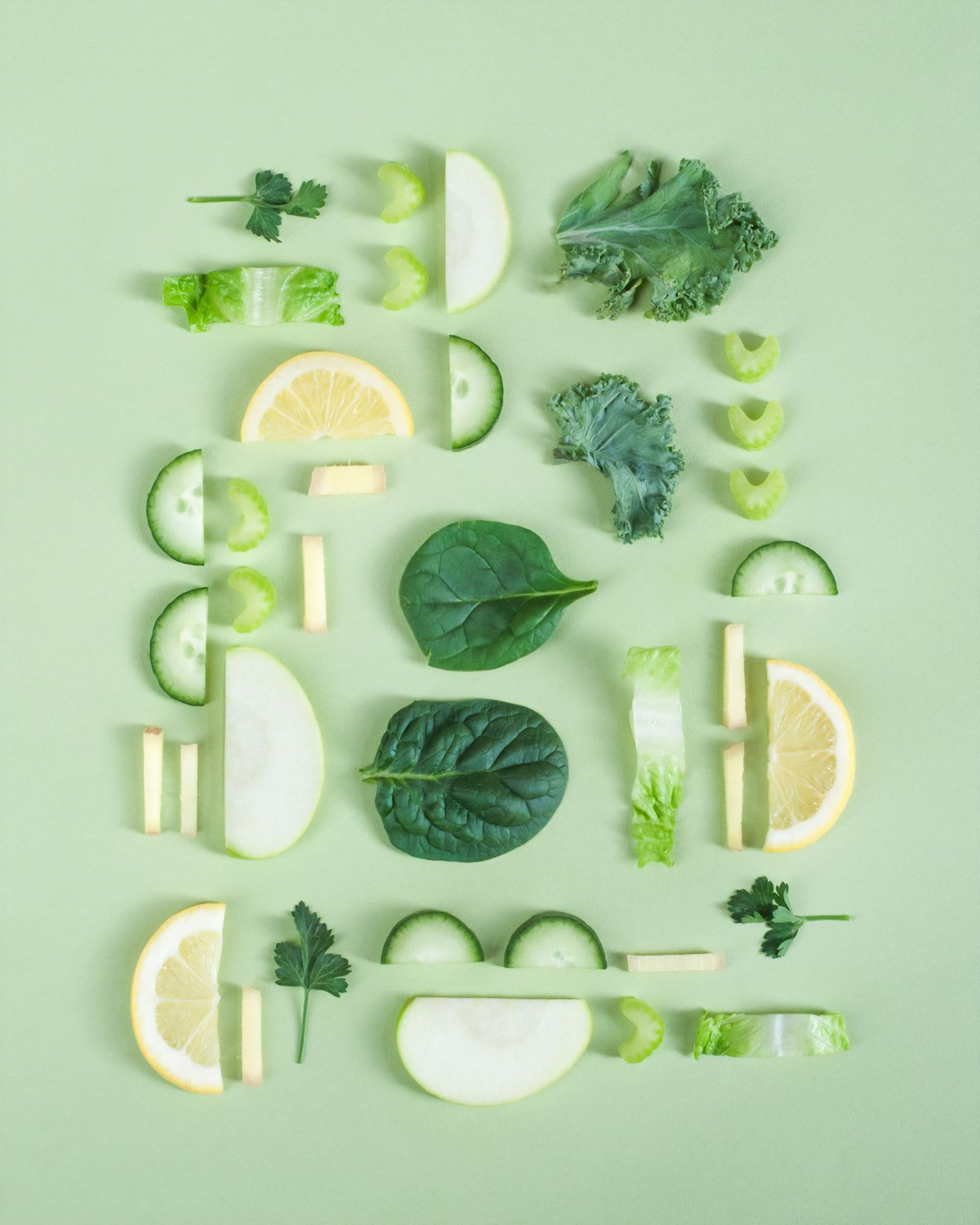
Meal prep is one of the most transformative habits you can develop in the kitchen, yet it is also one of the most misunderstood. It is not about eating the same tasteless chicken and broccoli from plastic containers for five consecutive days. It is about taking control of your nutrition, reclaiming your evenings from the dinner scramble, and setting yourself up to make good choices when you are busy, tired, and hungry. Done right, meal prep is a gift you give to your future self.
What Exactly Is Meal Prep?
Meal prep is the practice of preparing some or all of your meals in advance, typically during a dedicated session on the weekend or a day off. The scope varies wildly depending on your goals and schedule: some people prep fully finished meals portioned into containers, ready to microwave and eat. Others prep components — pre-cooked grains, chopped vegetables, marinated proteins — that they combine differently throughout the week. Both approaches work; the best method is whichever one you will actually stick with.
The level of commitment can be as minimal or as ambitious as you like. You might start by prepping just breakfast and lunch for the workweek — a few hours on Sunday that eliminates two daily food decisions and potentially saves you significant money compared to buying lunch every day. As you build confidence and discover what works for your kitchen and your palate, you can expand to full-week meal prep.
The Benefits: Why Bother?
The benefits of meal prep extend far beyond the obvious time savings, though that alone is enough to sell most people. When you know that a healthy, delicious lunch is waiting in your refrigerator, you are far less likely to cave to the convenience of a drive-through or a sad desk sandwich from the vending machine. Over the course of a week, this single habit can shave hundreds of calories and dollars off your food spending.
Meal prep also gives you precise control over your nutrition. When you prepare your own food, you know exactly what goes into it — no hidden sugars in sauces, no excessive sodium from restaurant preparation, no mystery ingredients. For anyone with specific health goals, whether weight loss, muscle gain, or managing a condition like diabetes, meal prep is arguably the single most impactful dietary tool available.
Containers and Equipment: What You Actually Need
You do not need a cabinet full of specialized gear to meal prep successfully, but a few key investments make a significant difference. Glass containers are preferable to plastic for long-term storage — they do not absorb stains or odors, they are safer for reheating, and they last essentially forever despite the higher upfront cost. Look for containers with secure, leak-proof lids; there is nothing worse than discovering that Thursday's lunch has spilled across your refrigerator shelf.
A set of reusable silicone baking mats, a good chef's knife, and a cutting board that is large enough to accommodate meaningful quantities of vegetables are the non-negotiables. A mandoline slicer is a wonderful luxury that makes quick work of prep tasks like slicing sweet potatoes or shredding cabbage. A rice cooker or Instant Pot eliminates the most tedious part of grain cooking — standing at the stove watching water boil.
Batch Cooking Basics: The Foundation of Meal Prep
The concept behind batch cooking is simple: instead of preparing each meal from scratch, you prepare large quantities of individual components that can be mixed and matched into different meals throughout the week. The efficiency comes from applying heat to large quantities of food at once rather than firing up the stove for individual portions.
For proteins, this means cooking multiple chicken breasts at once on a sheet pan, or browning a pound of ground beef and dividing it into portions. For carbohydrates, it means cooking a large batch of rice or quinoa and storing it in portion-sized containers. Vegetables can be roasted on two sheet pans simultaneously while proteins cook in the oven, all in about 30 to 40 minutes of actual hands-on attention.
Protein Prep Methods for Every Preference
Chicken is the most popular meal prep protein, and for good reason: it is affordable, versatile, and takes well to a wide range of flavors. Bake chicken breasts at 400°F for 20 to 25 minutes after seasoning generously with salt, pepper, and whatever spices suit your menu. Let them rest for five minutes before slicing — this allows the juices to redistribute, preventing them from pouring out onto your cutting board.
Ground beef and turkey are ideal for meal prep because they can be seasoned in so many ways — taco-seasoned for burrito bowls, Italian-seasoned for pasta sauces, or simply browned with onions and stored plain for maximum flexibility. Tofu requires more attention: press it thoroughly to remove excess moisture, then marinate it generously and bake or pan-fry until golden. Tofu absorbs whatever flavors you give it, which makes it either the most boring or the most exciting protein in your meal prep depending on how boldly you season it.
Carbohydrate Prep: Rice, Quinoa, and Potatoes
Carbohydrates are the workhorses of a satisfying meal prep spread, providing the bulk and energy that keeps you full. Rice is the most common starting point — long-grain white or brown rice cooked in a rice cooker or heavy-bottomed pot and portioned into containers. Brown rice has more fiber and nutrients but requires a longer cooking time; mixing the two or using pre-cooked frozen brown rice are perfectly valid shortcuts.
Quinoa is the protein-rich alternative that has won over meal preppers worldwide. It cooks in about 15 minutes, has a mild, nutty flavor that pairs with almost anything, and contains all nine essential amino acids, making it a complete protein. Sweet potatoes are another meal prep staple — cubed and roasted until caramelized, they provide complex carbohydrates with a touch of natural sweetness that balances savory proteins. All of these grains and starches freeze and thaw beautifully, so do not hesitate to prep a double batch.
Vegetable Prep: Roasting and Steaming in Bulk
Vegetables are the component most people under-prepare, which is why so many meal prep lunches end up with sad, gray broccoli and floppy spinach. The solution is simple: roast your vegetables instead of steaming or boiling them. High-heat roasting at 425°F to 450°F caramelizes the natural sugars, concentrates flavor, and creates appealing texture. Toss vegetables in olive oil, season with salt and pepper, and spread in a single layer on sheet pans — do not crowd them, or they will steam instead of roast.
Broccoli, cauliflower, Brussels sprouts, carrots, bell peppers, zucchini, and asparagus all roast beautifully. Green beans and asparagus can be blanched briefly and then shocked in ice water to preserve their bright color and crisp texture for salads and grain bowls. Frozen vegetables are a legitimate budget option — they are flash-frozen at peak freshness and work perfectly well for stir-fries and soups when fresh produce is too expensive or likely to spoil before you use it.
Storage Guide: Refrigerator vs. Freezer
Understanding safe storage timelines prevents food waste and protects your health. Most meal prep proteins and cooked grains will keep in the refrigerator for four to five days without significant quality loss. Vegetables vary more: raw, undressed salads with leafy greens last two to three days at most, while roasted root vegetables can stretch to five days. Sauces and dressings should always be stored separately from their components — they will keep the components from becoming soggy and extend both their lives.
The freezer is your long-term ally. Cooked grains, roasted vegetables, and most proteins freeze and reheat remarkably well. Invest in some small freezer-safe containers or bags for individual portions. The rule of thumb: if you are not confident you will eat something within four days, freeze it immediately and thaw it the night before you need it. Almost everything freezes successfully; the enemy is the uncertain middle ground between fresh and frozen where quality deteriorates without the convenience of either.
Food Safety Fundamentals
Proper cooling is the most critical food safety step in meal prep. Hot food placed directly into the refrigerator can raise the temperature of the whole compartment into the danger zone — between 40°F and 140°F — where bacteria multiply rapidly. The solution is to spread hot food on shallow pans to cool rapidly before transferring to containers and refrigerating. Never leave perishable food at room temperature for more than two hours.
Labeling is not just about convenience — it is a food safety practice. Write the contents and date on every container before it goes into the refrigerator or freezer. FIFO — first in, first out — is the organizing principle: place newer containers toward the back and older ones toward the front so you naturally use them in the right order. When reheating, ensure food reaches an internal temperature of at least 165°F throughout, especially for poultry and ground meats.
A Sample Weekly Meal Prep Schedule
Sunday afternoon is the traditional meal prep time, and it works well for most people. Start with a shopping trip Saturday or early Sunday morning. In a two-hour session, you can realistically prep four to five lunch and dinner portions for the week. Begin with the proteins, which require the longest oven time, while you prep vegetables and cook grains on the stovetop. Let everything cool completely before assembling containers.
A sample Sunday session: bake four chicken thighs and a tray of roasted sweet potatoes while cooking a large pot of quinoa and sautéing two bags of fresh spinach. While those are cooking, chop broccoli and bell peppers for the week's vegetable portions. Package everything in individual containers, label with the date, and refrigerate. In the morning, grab a container of quinoa, a protein portion, and vegetables — you have a complete, balanced meal in under two minutes.
Common Meal Prep Mistakes to Avoid
The biggest reason meal prep fails is monotony. Eating the exact same lunch five days in a row is a recipe for resentment and eventual abandonment. The solution is either to vary your sauces and dressings throughout the week — the same chicken thigh becomes a completely different experience with teriyaki glaze on Monday, chimichurri on Wednesday, and curry sauce on Friday — or to prep components rather than full meals so you can recombine them differently.
Another common mistake is under-seasoning during prep, hoping to adjust later. Food needs seasoning when it is cooked, not just when it is eaten. Salt everything properly during the cooking process; you can always add more, but you cannot take it away. Finally, be honest with yourself about your actual schedule and appetite. Prepping seven days of food when you eat out on weekends is wasteful. Start with three or four days, master that rhythm, and expand from there.