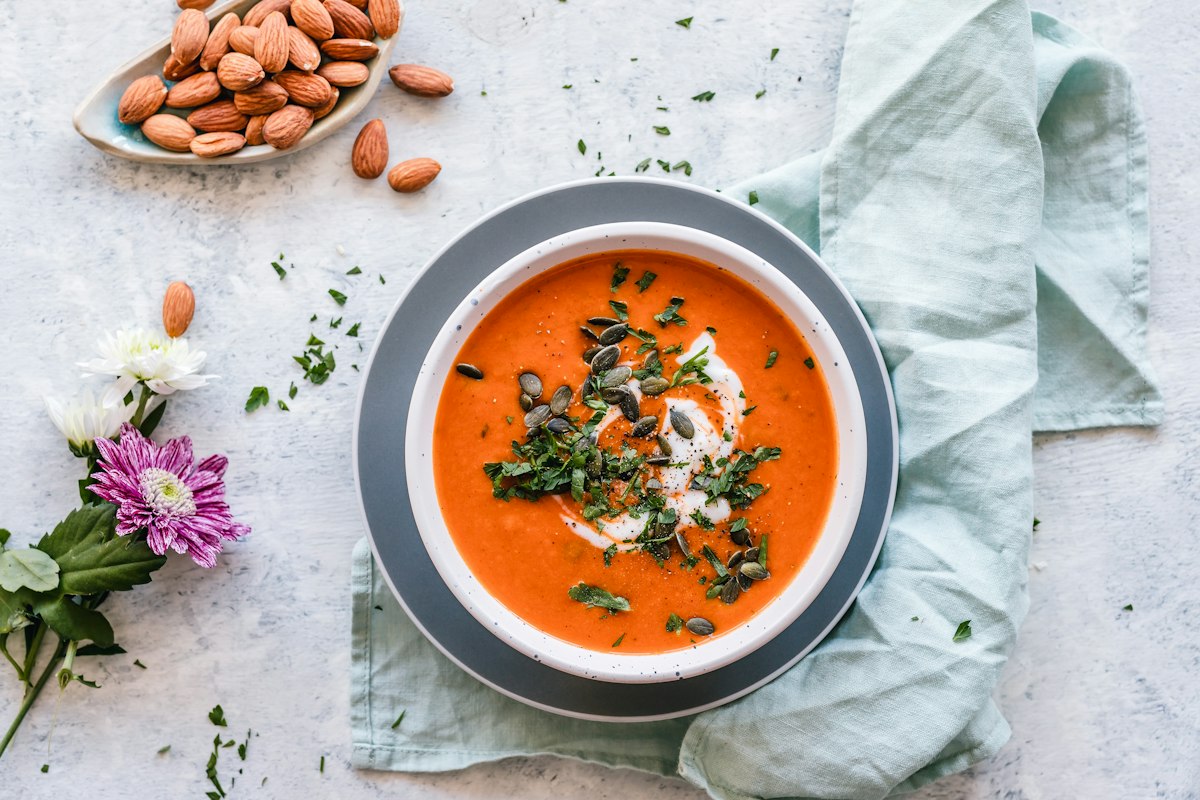
Soup is the dish that separates competent cooks from truly skilled ones. It is deceptively simple in concept — simmer some ingredients in liquid — but the variables that determine whether a soup is transcendent or merely adequate are numerous, interrelated, and often subtle. The quality of your stock, the order in which you add ingredients, the balance of salt, acid, and umami, the texture achieved through technique — all of these factors compound on each other to create something that is either more than the sum of its parts or less than it.
Why Good Stock Is the Foundation of Great Soup
Stock is the liquid base that everything else builds upon, and there is simply no substitute for good stock. Store-bought stocks vary enormously in quality — most are dilute, over-salted, and lacking in the gelatinous body that comes from simmering bones and connective tissue. The difference between a soup made with genuinely good homemade stock and one made with a mediocre commercial product is night and day.
Homemade chicken stock, simmered for at least 3 to 4 hours with chicken bones, aromatics (onion, celery, carrot, bay leaf, peppercorns), and enough water to cover by a couple of inches, produces a stock with body, depth, and a subtle gelatinous quality that coats the back of a spoon. This gelatin comes from collagen in the bones and skin, and it is what transforms a thin, watery liquid into a genuinely satisfying soup base. The time investment is real, but stock freezes beautifully in large batches, making it a once-for-the-month project rather than a once-a-soup ordeal.
Building Chicken Stock from Scratch
The process for excellent chicken stock starts with quality bones. Use a mix of raw bones (from a whole roasted chicken you have already eaten, for example) and cooked bones — both contribute flavor, though raw bones have more gelatinous potential. Roughly chop an onion, two carrots, and three stalks of celery (the aromatic trio known as mirepoix in French cooking), and add a bay leaf, a handful of parsley stems, and 10 to 15 peppercorns. Cover everything with cold water by about 2 inches.
Bring to a boil over high heat, then immediately reduce to the gentlest possible simmer. A vigorous boil does not make stock cook faster — it makes it cloudy and murky as the liquid circulates aggressively and emulsifies fat and proteins into suspension. A proper simmer produces a clear, golden stock with a clean flavor. Skim the foam that rises to the surface during the first 10 minutes, then cover loosely and walk away for 3 to 4 hours. Strain through a fine-mesh sieve, cool rapidly, and refrigerate or freeze.
Vegetable Stock: Lighter but Still Worth Making
Vegetable stock is the vegetarian and vegan cook's equivalent of chicken stock, and it is well worth making your own rather than relying on commercial versions, which tend to be dominated by salt and onion with little else. A good vegetable stock uses a broader mix of vegetables than chicken stock — onion, carrot, celery, leek, fennel, tomato (fresh or sun-dried), corn, and mushroom trimmings all contribute different layers of flavor and body.
The key to a good vegetable stock is not overcooking the vegetables, which turns them mushy and produces a flat, one-note stock. Simmer the aromatics for 30 to 45 minutes, strain, and use immediately or freeze. Vegetable stock lacks the natural gelatin of bone-based stocks, so it will never have the same body — but with the right seasoning and technique, it can be deeply flavorful and entirely satisfying as a base for vegetable soups, minestrone, and other dishes where a lighter background is appropriate.
Roasted vs. Clear Stock: Different Results for Different Purposes
The classic stocks described above are clear, light-colored liquids that serve as neutral foundations. Roasted stock takes a different approach: by roasting the bones and vegetables at high heat before simmering, you develop deeply caramelized, Maillard-reaction flavors that produce a stock with a rich, dark color and a bold, concentrated taste. Roasted chicken stock, for instance, uses bones that have been roasted at 425°F for 45 minutes with tomato paste and vegetables until deeply browned.
Roasted stocks are ideal for soups where a deeper, more assertive flavor is desired — French onion soup, for example, or a rich beef barley soup. Clear stocks are better for lighter preparations where you want the other ingredients to shine rather than compete with a strong stock flavor. Having both in your freezer gives you flexibility depending on the soup you want to make that day.
Thickening Soups: Beyond the Basic Roux
There are far more ways to thicken soup than just a roux, and understanding your options lets you choose the right approach for each soup and avoid common mistakes. Roux — a mixture of equal parts fat and flour cooked together — is the classic French thickening agent. It adds body without significantly altering flavor, and it can be added at the end of cooking without worry about raw flour taste. A classic chicken soup thickened with a blonde roux is silky and satisfying.
Cornstarch slurries are a lighter alternative: mix cornstarch with cold water, then stir into simmering soup until thickened. Cornstarch thickens at a lower temperature than roux and produces a clearer, glossier result, but it breaks down if soup is boiled after adding. Pureeing starchy vegetables like potatoes, winter squash, or beans directly into the soup is the most natural thickener — it adds body and nutrition simultaneously. Cream and coconut milk thicken by emulsifying fat into the liquid, adding richness as well as body.
Balancing Flavors: Salt, Acid, and Umami
The three levers of soup seasoning are salt, acid, and umami, and most soup failures can be traced to an imbalance in one or more of these. Salt is the most obvious: under-seasoned soup is flat and dull, while over-salted soup is inedible. The key is to season throughout the cooking process, tasting and adjusting at each stage, so the salt has time to integrate. If you add all the salt at the end, it will taste sharp and one-dimensional rather than deeply seasoned.
Acid is the secret weapon that most home cooks underutilize. A squeeze of lemon juice, a splash of vinegar, or a spoonful of fermented ingredients like miso or Worcestershire sauce can transform a flat soup into a bright, lively one. Acid does not make soup taste sour — it lifts and brightens flavors that seem muddy or heavy, acting almost like a palate cleanser. Add it gradually and taste as you go. Umami — the savory, deeply satisfying fifth taste — comes from aged cheeses, mushrooms, tomato paste, soy sauce, and fermented foods. Building in layers of umami is what separates a soup that tastes complete from one that feels like it is missing something.
Common Soup Mistakes and How to Avoid Them
Overcooking vegetables is the most common mistake in soup making. When vegetables are cooked beyond their ideal point, they lose their color, texture, and flavor, turning the soup gray and muddy. The solution is to add vegetables in stages based on their cooking times: hearty root vegetables first, then quick-cooking greens in the last few minutes. In general, vegetables should retain some texture in soup — they continue cooking in residual heat even after you take the pot off the stove.
Adding dairy too early is another frequent error. Milk, cream, and cheese added early in the cooking process can curdle, scorch, or break, especially if the soup is simmered for a long time. Add dairy at the end and heat gently, never bringing it to a boil. Similarly, dried herbs added too early can turn bitter and faded. Fresh herbs and delicate greens belong in the last few minutes of cooking, while hardy dried herbs can go in earlier to allow their flavors to develop and meld.
Regional Soup Styles: A World of Inspiration
French onion soup is perhaps the most famous soup in the world, built on a foundation of deeply caramelized onions cooked low and slow in butter for 45 minutes to an hour until they are golden, jammy, and intensely sweet. The soup is finished with a splash of dry white wine and rich beef stock, ladled into oven-safe bowls, topped with toasted baguette slices and a厚 blanket of melted Gruyère, and broiled until bubbling and bronzed.
Italian minestrone is a celebration of seasonal vegetables — whatever is freshest and most available — simmered in a tomato-enriched vegetable stock with cannellini beans and small pasta like ditalini. It is the ultimate clean-out-the-refrigerator soup, improving with whatever vegetables you have on hand. Spanish gazpacho is the refreshing antidote to summer heat: a raw soup of blended tomatoes, cucumber, bell pepper, onion, garlic, olive oil, and sherry vinegar, served ice-cold. Japanese miso soup is deceptively simple — dashi stock with dissolved miso paste and additions like tofu, wakame seaweed, and scallions — yet it is the daily foundation of Japanese cuisine.
Batch Cooking and Freezing Soup Successfully
Soup is perhaps the most meal-prep-friendly dish in the repertoire, and most soups freeze and reheat with little to no loss of quality. Cool soup completely before freezing — place the pot in an ice bath or divide into shallow containers to speed cooling. Do not freeze soups with dairy or potatoes unless you plan to puree them, as dairy can separate and potatoes can become grainy and waterlogged. Cream-based soups can be frozen before adding the cream, then finished with fresh cream when reheating.
Use freezer-safe glass or plastic containers, leaving an inch of headspace for expansion. Label everything with the contents and date — soup is one of those things that migrates to the back of the freezer and becomes mysteriously unidentifiable. Frozen soup keeps for 3 to 4 months at good quality. Thaw overnight in the refrigerator and reheat gently on the stovetop, not in the microwave, for the best texture. A microwave-safe container works fine for single portions if you are in a hurry, though the texture of noodles and delicate vegetables will suffer.