Breakfast is not merely the first meal of the day — it is the signal your body uses to kickstart metabolism, restore blood sugar, and prime your brain for the work ahead. Yet despite its importance, breakfast remains the meal most people rush through, skip entirely, or ruin with sugar-laden cereals and processed pastries. It does not have to be this way. A genuinely nourishing breakfast takes less time than you think, and once you build the habit, you will wonder how you ever started your day without one.
Why Breakfast Actually Matters
After eight or more hours without food, your body is running on fumes. Blood glucose levels are low, and your brain is crying out for fuel. Skipping breakfast might seem like a simple way to reduce calorie intake, but research consistently shows that breakfast eaters tend to have better nutrient profiles, more stable energy throughout the morning, and improved concentration compared to those who fast until noon.
The key word is "healthy" breakfast. A bagel and cream cheese technically counts as breakfast, but it is heavy on refined carbs and light on the protein, fiber, and healthy fats that actually keep you full and focused. A truly balanced breakfast provides a mix of complex carbohydrates for immediate energy, protein for satiety and muscle maintenance, and fat for sustained fullness and brain function.
The Anatomy of a Balanced Breakfast
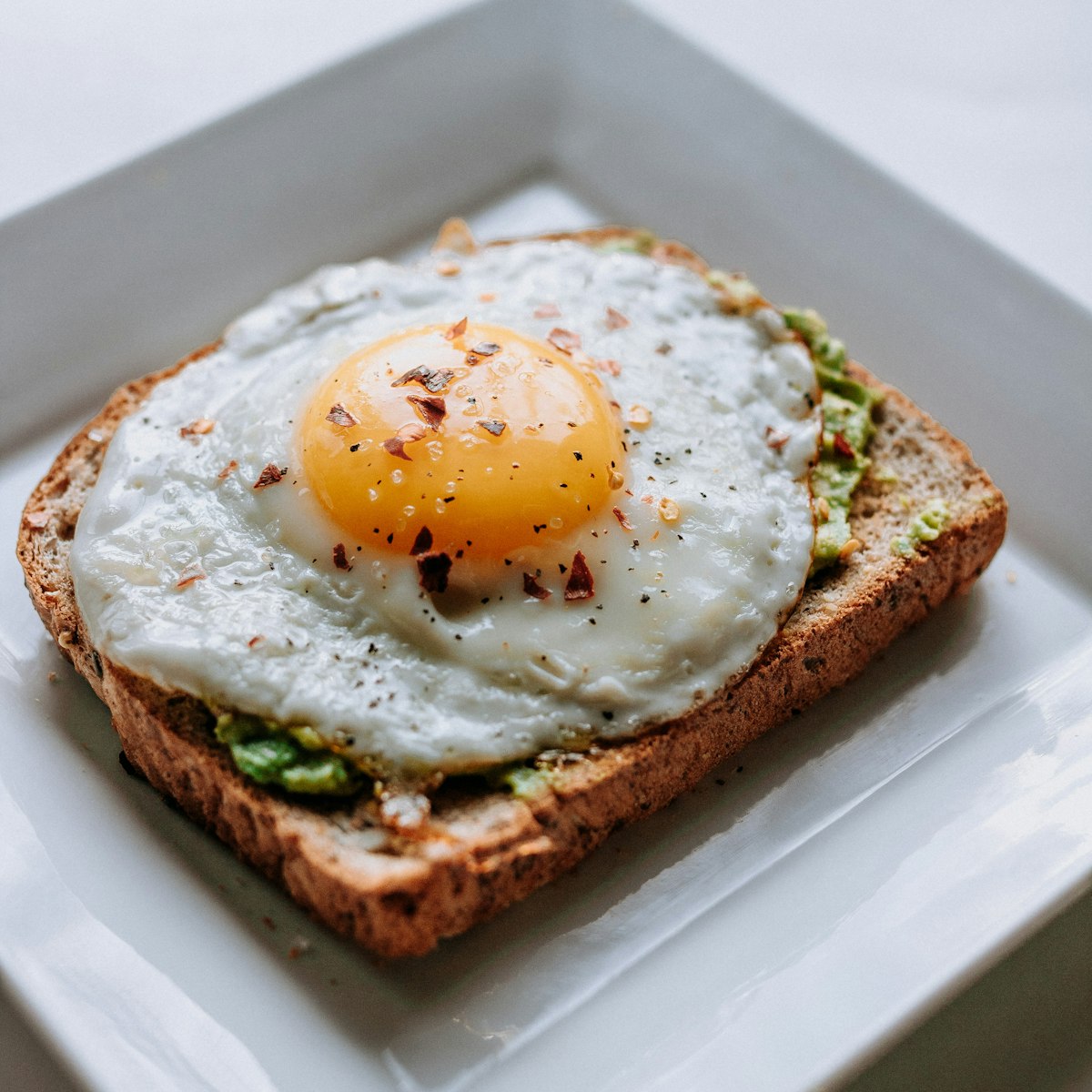
Every great breakfast contains three components in roughly these proportions: a source of lean protein, a complex carbohydrate or fiber-rich food, and a small amount of healthy fat. This combination slows digestion, prevents blood sugar spikes, and keeps hunger at bay for three to four hours. Think Greek yogurt with berries and a sprinkle of walnuts, or two eggs with avocado and whole-grain toast.
Portion matters too. A breakfast that is too small will leave you ravenous by mid-morning, while one that is too heavy can leave you sluggish. Aim for 350 to 500 calories if you are an average adult, adjusting up if you are very active or down if you prefer a lighter start. Use a nutrition calculator to understand what you are actually consuming each morning.
Overnight Oats: Five Versatile Variations
Overnight oats are the ultimate set-it-and-forget-it breakfast for busy people. The basic ratio is one part rolled oats to one part liquid (milk, almond milk, or yogurt), plus a touch of sweetener and whatever toppings you love. Mix everything in a jar the night before, refrigerate, and wake up to a ready-to-eat breakfast that requires zero morning effort.
Classic Vanilla: Oats soaked in vanilla almond milk with a tablespoon of maple syrup, topped with sliced bananas and a dusting of cinnamon.
Berries and Cream: Greek yogurt and mixed berries with a swirl of honey and crushed pistachios.
Chocolate Banana: Cocoa powder, mashed banana, and peanut butter with dark chocolate chips on top.
Tropical: Coconut milk, diced mango, pineapple, and toasted shredded coconut with a squeeze of lime.
Apple Cinnamon: Diced apple, walnuts, raisins, and a generous amount of cinnamon with maple syrup — tastes like apple pie in a jar.
Smoothie Bowls: Instagram-Worthy and Nutritious
Smoothie bowls take the nutritional density of a blended drink and make it more satisfying by thickening the consistency so you can eat it with a spoon. The trick is to use frozen fruit and less liquid than you would for a drinking smoothie — the result should be thick enough that your spoon stands up in it.
A base of frozen açaí or mango blended with half a frozen banana and a splash of coconut water makes an excellent starting point. From there, pile on fresh fruit, granola, coconut flakes, chia seeds, and a drizzle of nut butter. Smoothie bowls are as much about the toppings as the base — this is where you get your additional fiber, protein, and crunch. For extra protein without diluting the flavor, add a scoop of your favorite protein powder or a tablespoon of hemp seeds.
Egg-Based Breakfasts: Beyond Basic Scrambled
Eggs are one of the most complete and affordable sources of protein available, packing about 6 grams of protein per large egg along with essential vitamins and minerals. The versatility of eggs means you can eat them every day without getting bored — you just need a few techniques in your repertoire.
Perfect Scrambled Eggs: Use medium heat, stir constantly with a spatula, and pull the pan off the heat when the eggs are still slightly wet — residual heat finishes cooking them to creamy perfection. Add butter, not oil, and season with salt only at the end.
Poached Eggs: Bring water to a gentle simmer with a splash of white vinegar, create a gentle whirlpool, and slide the egg in. Three to four minutes gives you a runny yolk with set whites. Perfect over toast with avocado.
Frittata: This open-faced Italian omelet is the ultimate vehicle for leftover vegetables. Sauté whatever veggies you have on hand, pour beaten eggs over them, cook on the stovetop until the edges set, and finish under the broiler.
Whole Grain Options That Actually Taste Good
Whole grains get a bad reputation because so many of them are overcooked, mushy, and bland. But there is a world of grain-based breakfasts far beyond sad bran flakes. Overnight rye or sourdough toast with avocado and everything bagel seasoning is deeply satisfying. Steel-cut oats cooked the night before in a slow cooker and reheated in the morning with brown sugar and cinnamon are chewy and rich.
Quinoa breakfast porridge — cooked like oatmeal but with quinoa instead — delivers complete protein and a nutty flavor that pairs well with fresh fruit and honey. Farro, an ancient grain with a satisfying chew, can be batch-cooked on Sunday and reheated throughout the week with milk, almonds, and dried apricots. These are grains with personality, not dietary obligations.
Night-Before Prep: How to Make Morning Easier
The secret to a great weekday breakfast when mornings are rushed is doing everything you can the night before. Chop fruits and vegetables and store them in containers. Pre-portion overnight oat ingredients into jars so all you have to do is add liquid. Hard-boil a batch of eggs and keep them in the refrigerator — they are perfect for quick egg salads or simply eaten out of the shell with a sprinkle of salt.
Make a large batch of breakfast burrito filling — scrambled eggs, black beans, peppers, and onions — and store it in the fridge. In the morning, warm a portion and roll it in a tortilla. These small preparations add only a few minutes to your evening routine but eliminate every excuse for skipping breakfast when the alarm goes off.
Breakfast for Different Health Goals
Not everyone has the same breakfast needs, and tailoring your morning meal to your goals makes a real difference in how you feel and perform.
For Weight Loss: Focus on high protein and high fiber to maximize satiety. Two eggs with spinach and tomatoes, a serving of Greek yogurt with berries, or overnight oats with chia seeds will keep you satisfied on fewer calories without feeling deprived.
For Muscle Building: Protein is the priority. Add protein powder to smoothie bowls, pair eggs with whole-grain toast and cottage cheese, or make a breakfast bowl with ground turkey, sweet potato, and avocado.
For Sustained Energy: Complex carbohydrates and healthy fats are your friends. Steel-cut oats with banana and almond butter, whole-grain pancakes with fresh fruit, or avocado toast on sprouted bread provide steady fuel without crashes.
Kid-Friendly Breakfasts That Parents Can Feel Good About
Getting children to eat a healthy breakfast requires a bit of creativity, but it is one of the best investments you can make in their energy and concentration at school. Whole-wheat pancakes made with apple sauce instead of sugar are a weekend hit. Banana splits — halved bananas with yogurt, granola, and fresh berries — make breakfast feel like a treat while delivering real nutrition.
Muffin tin frittatas packed with cheese and finely diced vegetables let kids graze on protein without the pressure of a plated meal. Smoothie "popsicles" — leftover smoothie poured into molds and frozen — are a hit on busy school mornings when there is no time to sit and eat. The goal is to make healthy feel fun, not punitive.
Budget Breakfasts That Do Not Skimp on Nutrition
Eating well in the morning does not require expensive superfoods or specialty ingredients. Oats, eggs, and bananas are among the cheapest and most nutritious foods available. A batch of egg muffins — eggs beaten with vegetables and baked in a muffin tin — costs almost nothing to make and provides grab-and-go protein all week.
Peanut butter on whole-wheat toast with a sliced banana has protein, fiber, and healthy fats for under a dollar per serving. Rice pudding made from cooked white rice, milk, and a touch of sugar and cinnamon transforms leftovers into a warming breakfast. Canned black beans scrambled with eggs and salsa in a tortilla is a complete meal that costs less than a fancy coffee shop pastry and keeps you full for hours longer.
Batch Cooking Tips for Stress-Free Mornings
Sunday meal prep is the single most effective strategy for eating well throughout the week. Dedicate just 60 to 90 minutes on the weekend to prepping breakfast components, and your weekday mornings become dramatically easier. Cook a large pot of steel-cut oats or quinoa porridge and portion it into containers. Bake a sheet pan of breakfast potatoes with bell peppers and onions. Blend and freeze smoothie packs — just add milk in the morning.
The most important tip: do not prep more than you will actually eat. Ambitious batch cooking that ends up in the trash is worse than no prep at all. Start with three or four components you actually enjoy, master those, and expand your repertoire as the habit solidifies. A simple, consistent breakfast routine will serve you far better than an elaborate one you abandon after two weeks.