Protein is the one nutrient that every vegetarian and vegan gets asked about constantly — by curious friends, skeptical relatives, and occasionally their own nagging doubts. The question is understandable but often misguided. The real question is not whether vegetarian diets can provide adequate protein (they absolutely can), but how to build meals that deliver all the amino acids your body needs, in quantities that support your activity level, age, and health goals. This guide answers that question thoroughly and practically.
Understanding Your Protein Needs
Protein requirements vary based on age, body weight, activity level, and individual goals. The generally recommended dietary allowance is 0.8 grams of protein per kilogram of body weight per day for the average adult — roughly 56 grams for a 154-pound person. However, athletes, older adults, and anyone in a muscle-building phase may need significantly more, up to 1.6 to 2.2 grams per kilogram. Pregnant and breastfeeding individuals also have elevated protein needs.
The more useful calculation for planning purposes is to think in terms of protein per meal. Research suggests that the body can effectively use about 25 to 30 grams of protein per meal for muscle synthesis. This means spreading protein intake across three meals, rather than front-loading or back-loading it, is likely more effective. For most people, this translates to roughly 3 to 4 ounces of a protein-rich food per meal — roughly the size of a deck of cards.
Complete vs. Incomplete Proteins: The Nuance That Matters
Protein is made up of amino acids, nine of which the human body cannot synthesize and must obtain from food — these are the essential amino acids. A protein that contains all nine in adequate proportions is called "complete." Animal proteins — meat, fish, eggs, and dairy — are complete. Most plant proteins are "incomplete," lacking or being low in one or more essential amino acids.
The solution is not to panic about this or meticulously combine proteins at every meal, as the old complementary protein myth suggested. Your body maintains a pool of amino acids from which it draws, and as long as you consume a variety of protein sources over the course of the day, you will get all the essential amino acids you need. The practical implication is simple: eat diverse plant proteins, and your amino acid needs will be met.
Legumes: Lentils, Chickpeas, and Black Beans
Legumes are the workhorses of the vegetarian protein kitchen — affordable, versatile, packed with fiber and minerals, and surprisingly high in protein. Lentils deliver about 18 grams of protein per cooked cup and cook in 20 to 30 minutes without soaking. Red lentils break down completely when cooked, making them ideal for soups and curries; green and brown lentils hold their shape better for salads and side dishes.
Chickpeas (garbanzo beans) provide about 15 grams per cooked cup and are the foundation of hummus, falafel, and curried chana masala. Black beans, kidney beans, pinto beans, and navy beans each deliver 13 to 15 grams per cup and form the backbone of Latin American, Mediterranean, and Southern cooking traditions. The key to cooking dried legumes well is to soak them overnight (except for lentils), simmer them gently with aromatics, and season them aggressively — beans are delicious when treated with the same respect you would give a premium cut of meat.
Tofu and Tempeh: Soy's Two Faces
Tofu and tempeh both come from soybeans, but their textures, flavors, and best uses are entirely different. Tofu is made by curdling soy milk and pressing the curds into blocks; the texture can be silken (soft, used in soups and desserts), medium-firm, or extra-firm. Extra-firm tofu is the best choice for stir-fries and grilling, where you want it to hold its shape and develop a crispy exterior. Tofu itself is bland — it is a canvas that absorbs whatever flavors you give it.
Tempeh is made by fermenting whole soybeans with a starter culture and pressing them into a firm, dense cake. The fermentation gives tempeh a nutty, slightly mushroom-y flavor and a firm texture that holds up beautifully to slicing and marinating. It also makes the nutrients more bioavailable and adds probiotics beneficial for gut health. Both tofu and tempeh provide about 15 to 20 grams of protein per 3-ounce serving, making them among the most protein-dense plant foods available.
Eggs and Dairy: The Lacto-Ovo Advantage
For vegetarians who include eggs and dairy, meeting protein targets is considerably easier. A large egg contains about 6 grams of high-quality, complete protein along with essential vitamins and minerals, particularly choline, which is otherwise difficult to obtain from plant sources. Eggs are also one of the few non-meat sources of vitamin B12, which is essential for nerve function and blood cell formation.
Dairy adds protein without the cholesterol of eggs or meat. Greek yogurt leads the pack with about 15 to 20 grams of protein per 6-ounce serving, compared to about 5 grams in regular yogurt. Cottage cheese provides about 14 grams per half-cup. Cheese, while protein-rich — hard cheeses like Parmesan have about 10 grams per ounce — is also calorie-dense and high in saturated fat, so portion awareness matters. Whey protein powder, a byproduct of cheese-making, offers a quick, convenient way to hit protein targets, with about 20 to 25 grams per scoop.
Quinoa: The Complete Protein Grain
Quinoa is unique among grains in that it is a complete protein — rare among plant foods. A cooked cup of quinoa provides about 8 grams of protein and all nine essential amino acids in reasonable proportions. This makes it particularly valuable for vegetarians and vegans, and for anyone seeking to reduce meat consumption without sacrificing protein intake. Quinoa also provides iron, magnesium, and fiber, making it one of the most nutritionally complete grains available.
Cooking quinoa is straightforward: rinse it well to remove its natural bitter coating (saponin), then simmer in water or broth at a ratio of about 1.5 to 1 for 15 minutes until the germ separates from the seed in a visible white ring. Fluff with a fork and season as you would rice. Use it as a base for grain bowls, stuff it into peppers, add it to salads, or enjoy it as a breakfast porridge with fruit and nuts.
Nuts and Seeds: Protein with a Bonus
Nuts and seeds are not primary protein sources in the way that legumes or tofu are — you would need to eat an impractical quantity to meet all your protein needs from them alone — but they contribute meaningful amounts while delivering healthy fats, fiber, and an array of micronutrients. Hemp seeds are the standout, with about 10 grams of protein per 3-tablespoon serving and a perfect ratio of omega-3 and omega-6 fatty acids. Pumpkin seeds (pepitas) provide about 9 grams per ounce, along with magnesium and zinc.
Almonds, walnuts, cashews, and pistachios each provide 5 to 7 grams of protein per ounce. Adding a handful of nuts or seeds to oatmeal, salads, stir-fries, or grain bowls is an effortless way to boost protein content without dramatically increasing volume. Nut butters — peanut butter and almond butter — deliver about 7 to 8 grams of protein per 2-tablespoon serving, though the calorie density means portions need to be watched carefully.
Seitan: The Wheat Gluten Protein
Seitan is the most protein-dense of all vegetarian protein sources, with about 25 grams of protein per 3.5-ounce serving — comparable to meat. It is made from wheat gluten, the protein component of wheat flour, which is isolated by washing away the starch. The result is a chewy, dense, meat-like texture that absorbs marinades beautifully and holds its shape through grilling, pan-frying, and braising.
Seitan is not appropriate for those with celiac disease or gluten sensitivity, and its extremely high gluten content means it should not be eaten in large quantities by anyone. However, for those who tolerate it well, it is an extraordinarily versatile meat substitute that works in dishes from stir-fries to sandwiches to kebabs. Commercial seitan can be found in most health food stores, or it can be made from vital wheat gluten flour at home.
Combining Proteins for Complete Amino Acid Profiles
While the old recommendation to combine proteins at every meal has been largely debunked, it is still helpful to understand which plant proteins complement each other. The amino acids that tend to be lowest in plant proteins are lysine (low in grains) and methionine (low in legumes). This means combining grains with legumes at some point in your day naturally balances the amino acid profile.
Some classic combinations that do this naturally: rice and beans (the foundation of Latin American cuisine), hummus and pita (Middle Eastern), dal and rice (Indian), and tofu and peanuts in a Thai stir-fry. These combinations were developed by culinary tradition long before nutrition science explained why they worked so well. In practice, if you are eating a varied diet with multiple plant protein sources throughout the day, you do not need to stress about combining anything at any given meal.
Protein Per Serving: A Quick Reference
Use this table as a practical reference when planning protein-rich meals:
- Lentils (1 cup cooked): 18g protein
- Black beans (1 cup cooked): 15g protein
- Chickpeas (1 cup cooked): 15g protein
- Tofu, firm (3.5 oz): 15g protein
- Tempeh (3.5 oz): 19g protein
- Greek yogurt (6 oz): 17g protein
- Cottage cheese (1/2 cup): 14g protein
- Eggs (2 large): 12g protein
- Quinoa (1 cup cooked): 8g protein
- Hemp seeds (3 tbsp): 10g protein
- Almonds (1 oz): 6g protein
- Seitan (3.5 oz): 25g protein
Practical Recipe Ideas for High-Protein Vegetarian Meals
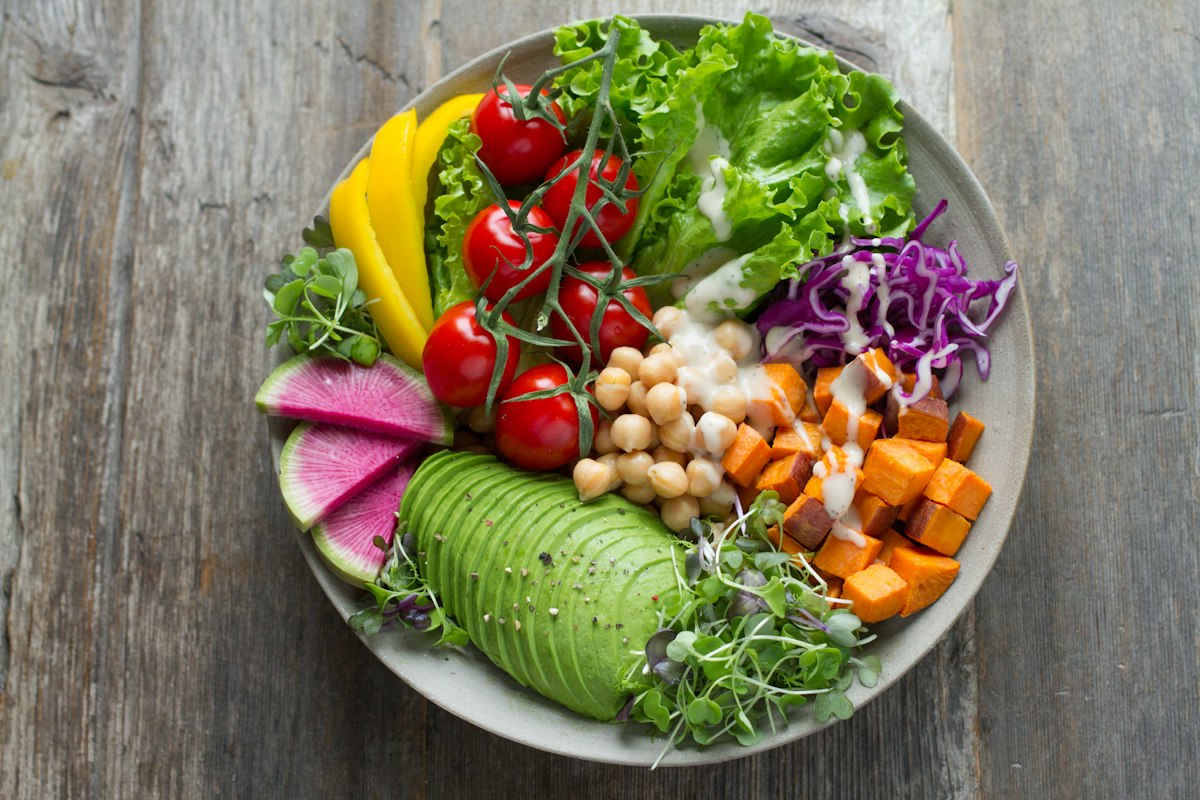
The best way to meet your protein targets as a vegetarian is to build meals around protein-rich foods rather than adding them as afterthoughts. A Buddha bowl with quinoa, roasted chickpeas, tempeh, and hemp seeds can deliver 35 to 45 grams of protein in a single meal. Black bean tacos with Greek yogurt, avocado, and salsa provide about 25 grams across three tacos. A chickpea tikka masala over brown rice with a side of raita (yogurt sauce) delivers 30-plus grams. The key is stacking multiple protein sources — not relying on a single food to do all the work.